Designing and Implementing Winning Loyalty Programs: A Comprehensive Guide
Loyalty programs have evolved from a luxury perk to a cornerstone of successful business strategy in today's fiercely competitive marketplace. They represent a significant investment in customer retention, fostering deeper, more meaningful relationships and driving repeat business, ultimately leading to increased profitability and sustainable growth. This comprehensive guide delves into the core principles of effective loyalty program design, implementation, and ongoing optimization, equipping you with the knowledge and tools to build a program that genuinely resonates with your target audience and delivers a strong return on investment (ROI). We will explore essential components, ranging from points systems and tiered reward structures to personalized experiences and multifaceted communication strategies. We'll highlight best practices while meticulously examining common pitfalls that can derail even the most well-intentioned programs. A crucial aspect we will address is the critical role of data analytics in understanding program performance and guiding future improvements. We will also consider the ethical implications and ensure a sustainable and responsible approach.
Key Takeaways
A well-structured loyalty program can significantly enhance customer lifetime value (CLTV), potentially increasing it by 25% or more, depending on the industry and the program's design. This increase stems from a combination of elevated purchase frequency and a higher average order value (AOV). The long-term impact on brand equity and positive word-of-mouth marketing should also be considered.
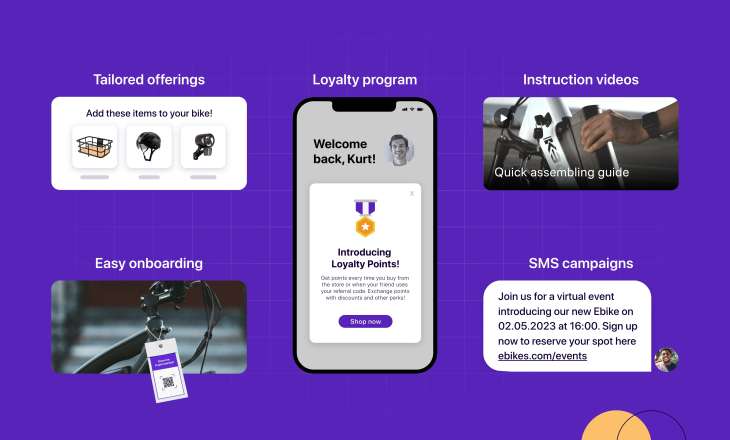
Personalized rewards, tailored to individual customer preferences and behavior, are significantly more effective than generic offers. This targeted approach fosters a sense of appreciation and encourages stronger customer engagement. Understanding individual needs and preferences is vital for designing a truly successful program.
Regular analysis and adaptation of your loyalty program, informed by comprehensive customer feedback and performance data, are paramount for sustained success. A static loyalty program will quickly become obsolete and lose its effectiveness in the dynamic market landscape. Continuous improvement is key to maximizing ROI and customer satisfaction.
Understanding Customer Loyalty: The Foundation of Success
The bedrock of any successful loyalty program is a deep and nuanced understanding of your customer base. This understanding transcends simple demographics; it necessitates a thorough grasp of customer motivations, pain points, and preferred experiences. What drives their purchasing decisions? What are their unmet needs and aspirations? What aspects of your brand or product do they value most? By meticulously answering these questions through a combination of robust market research, detailed customer surveys, and insightful data analysis, you can tailor your program to deliver genuine value and cultivate lasting relationships. This is not a one-size-fits-all approach; a generic loyalty program is highly unlikely to achieve widespread success.
Think of it as cultivating a diverse garden; you wouldn't plant cacti in a rainforest, nor would you expect roses to thrive in arid conditions. Similarly, a thriving loyalty program must be meticulously adapted to the specific needs and preferences of distinct customer segments. Analyzing customer data to identify these segments—based on demographics, purchasing behavior, engagement levels, website activity, social media interactions, and other relevant factors—is crucial for designing a targeted program that maximizes its impact. Failing to account for these differences can lead to a diluted, ineffective program that fails to resonate with any specific group, ultimately resulting in wasted resources and missed opportunities.
Consider factors like customer lifetime value (CLTV), purchase frequency, average order value (AOV), product preferences, and even their preferred communication channels when segmenting your customer base. This granular segmentation allows for the creation of personalized loyalty experiences that cater to the unique characteristics of each segment, maximizing engagement and return on investment. Remember, different segments will have different needs and expectations - a points-based system might resonate strongly with one segment, while an exclusive experience system might be more effective with another.
"Loyalty is not a gift; it's an achievement earned through consistent, valuable experiences that demonstrate a genuine understanding of and appreciation for the customer." – Unknown
Designing Effective Loyalty Programs: Key Elements and Considerations
The design phase of your loyalty program is pivotal to its ultimate success. Several key elements must be carefully considered and meticulously planned to ensure the program's effectiveness and longevity. First, clearly define your program objectives using the SMART framework (Specific, Measurable, Achievable, Relevant, and Time-bound). What specific, quantifiable goals are you hoping to accomplish? Increased customer retention? Higher average order value (AOV)? Improved customer lifetime value (CLTV)? Enhanced brand advocacy? Increased social media engagement? The clarity of your objectives will significantly influence the structure and features of your loyalty program, ensuring alignment between strategy and execution.
Once your goals are defined, you can design a program structure that directly supports them. Points-based systems remain a popular choice, offering a straightforward and easily understood mechanism for rewarding customers. However, consider the limitations; a simple points system might not be sufficiently motivating for highly engaged customers. To address this, incorporate tiered reward structures to incentivize higher levels of engagement and spending. This tiered approach can provide escalating rewards for increased activity, creating a sense of progression and accomplishment for loyal customers. Consider offering exclusive experiences, such as early access to new products, invitations to exclusive events, personalized recommendations, or even opportunities for co-creation, to add a layer of exclusivity and enhance the perceived value of the program.
Simplicity and clarity are paramount. The program must be intuitive and easy for customers to understand and participate in. A complex program with convoluted rules and unclear processes will lead to customer frustration and low engagement, ultimately undermining the program's effectiveness. Make joining, earning points, and redeeming rewards seamless and straightforward. Clearly communicate the program rules and benefits through multiple channels, including your website, email marketing, in-app notifications, SMS messages, social media platforms, and in-store signage. Ensure consistency in messaging across all channels.
💡 Pro Tip: Incorporate gamification elements, such as challenges, badges, leaderboards, and progress bars, to increase engagement and excitement. These elements can transform the loyalty program into an interactive and enjoyable experience, fostering a sense of community and friendly competition among participants. Gamification can also encourage exploration of different products and services within your brand ecosystem.
Implementing and Optimizing Your Loyalty Program: A Data-Driven Approach
Successful implementation requires a robust technological infrastructure. Choosing the right loyalty program software is crucial for managing points, tracking activity, and personalizing rewards effectively. Integrate your loyalty program with your CRM system to leverage customer data for targeted communication and personalized offers.
Regular monitoring and analysis of key performance indicators (KPIs) are essential. Track metrics such as member acquisition rate, engagement rate, redemption rate, average order value (AOV), customer lifetime value (CLTV), and return on investment (ROI). Analyze this data to identify areas for improvement and make data-driven adjustments to your program.

Customer feedback is invaluable. Regularly solicit feedback through surveys, reviews, and focus groups to gauge customer satisfaction and identify areas for improvement. Use this feedback to refine your program and ensure it remains relevant and appealing to your target audience.
Consider ethical considerations. Transparency in your loyalty program's terms and conditions is crucial for building trust with your customers. Avoid manipulative tactics, and ensure that your rewards are genuinely valuable and desirable.
Frequently Asked Questions (FAQ)
What are the most common mistakes businesses make with loyalty programs?
Many businesses make critical errors in designing and implementing loyalty programs, often leading to disappointing results. Some of the most common mistakes include:
Overly complicated programs: Complex rules, unclear reward structures, and difficult redemption processes create frustration and lead to low participation rates. Simplicity and clarity are key to maximizing engagement.
Inadequate rewards: Rewards that are not perceived as valuable or desirable by customers fail to incentivize engagement. Rewards should be tailored to the specific needs and preferences of your target audience.
Insufficient communication: Failing to effectively communicate the program's features, benefits, and updates leads to low awareness and participation. A multi-channel communication strategy is essential.
Lack of personalization: Generic rewards and offers fail to resonate with individual customers and do not foster a strong sense of connection. Personalization is vital for creating a truly engaging experience.
Failure to track and analyze data: Without monitoring key performance indicators (KPIs) and analyzing data, businesses cannot identify areas for improvement and optimization. A data-driven approach is crucial for maximizing ROI.
Ignoring customer feedback: Failing to actively solicit and respond to customer feedback can lead to a loyalty program that fails to meet customer needs and expectations.
A successful loyalty program requires continuous monitoring, analysis, and adaptation to ensure it remains relevant and effective over time. Regularly review customer feedback, track key metrics like redemption rates and AOV, and analyze program performance to identify opportunities for improvement. This iterative process ensures that the program remains dynamic and meets the evolving needs of your customers.
Conclusion: Building Enduring Customer Relationships
In conclusion, well-designed and meticulously implemented loyalty programs are potent tools for driving customer retention, building brand advocacy, and fostering lasting customer relationships. By deeply understanding your customers' needs and preferences, carefully designing a program that addresses those needs, and continuously optimizing its performance based on data and feedback, you can create a valuable asset that strengthens your business and enhances profitability. Ignoring the potential of loyalty programs is a significant missed opportunity in today’s competitive market; strategically embracing them, however, is a pathway to sustainable growth and long-term success. Investing in robust loyalty programs is not merely about rewarding customers; it’s about building enduring relationships that fuel long-term growth and establish a loyal customer base that will support your business for years to come. By adopting a customer-centric and data-driven approach, businesses can leverage loyalty programs to create a competitive advantage and build a thriving business for the long term.
0 Response to "Designing and Implementing Winning Loyalty Programs: A Comprehensive Guide"
Post a Comment