Supercharge Your Marketing: Choosing the Right Marketing Automation Software
Marketing in today's relentlessly competitive digital landscape demands efficiency and precision. The sheer volume of data, the multitude of channels, and the ever-increasing expectations of customers necessitate a more strategic and less haphazard approach. Simply put, you can't afford to waste valuable time on repetitive, manual tasks or rely on guesswork and intuition. This is where marketing automation software steps in – a powerful tool capable of transforming your marketing strategies from reactive to proactive, ultimately driving significant growth and maximizing your return on investment (ROI). Choosing the right software, however, requires careful consideration of your specific needs, goals, and long-term vision. This comprehensive guide will help you navigate the complexities of this crucial decision, ensuring you select a solution that empowers your team and fuels your business's success.
Key Takeaways
- Implementing marketing automation software can lead to a significant increase in lead generation and conversion rates, often exceeding 30% within the first year, depending on the effectiveness of implementation and strategic alignment. This translates directly to increased revenue and profitability.
- A key benefit is the ability to personalize customer interactions at scale, fostering stronger relationships, building brand loyalty, and increasing customer lifetime value (CLTV). This personalized approach moves beyond simple segmentation and delves into creating truly individualized experiences.
- Thoroughly analyze your current marketing processes and identify specific pain points before selecting any software. This crucial preliminary step ensures that you choose a system that directly addresses your most pressing needs and avoids investing in features you won't utilize. This also helps in justifying the investment to stakeholders.
Table of Contents
- Understanding Marketing Automation Software
- Selecting the Right Marketing Automation Software: A Step-by-Step Guide
- Frequently Asked Questions (FAQ)
- Conclusion
Understanding Marketing Automation Software
Marketing automation software encompasses a sophisticated suite of tools designed to automate repetitive marketing tasks, freeing up your marketing team to focus on higher-level strategic initiatives, creative content development, and data-driven decision-making. These tools often integrate seamlessly with Customer Relationship Management (CRM) systems, providing a holistic, 360-degree view of the customer journey, from initial interaction to post-purchase engagement. Think of it as a sophisticated orchestra conductor, harmonizing various marketing channels and activities—email marketing, social media management, search engine optimization (SEO), paid advertising, content marketing, and sales follow-up—to create a seamless and personalized customer experience. The core function? To enhance efficiency, improve targeting accuracy, personalize interactions at scale, measure results with precision, and ultimately, deliver a superior ROI.
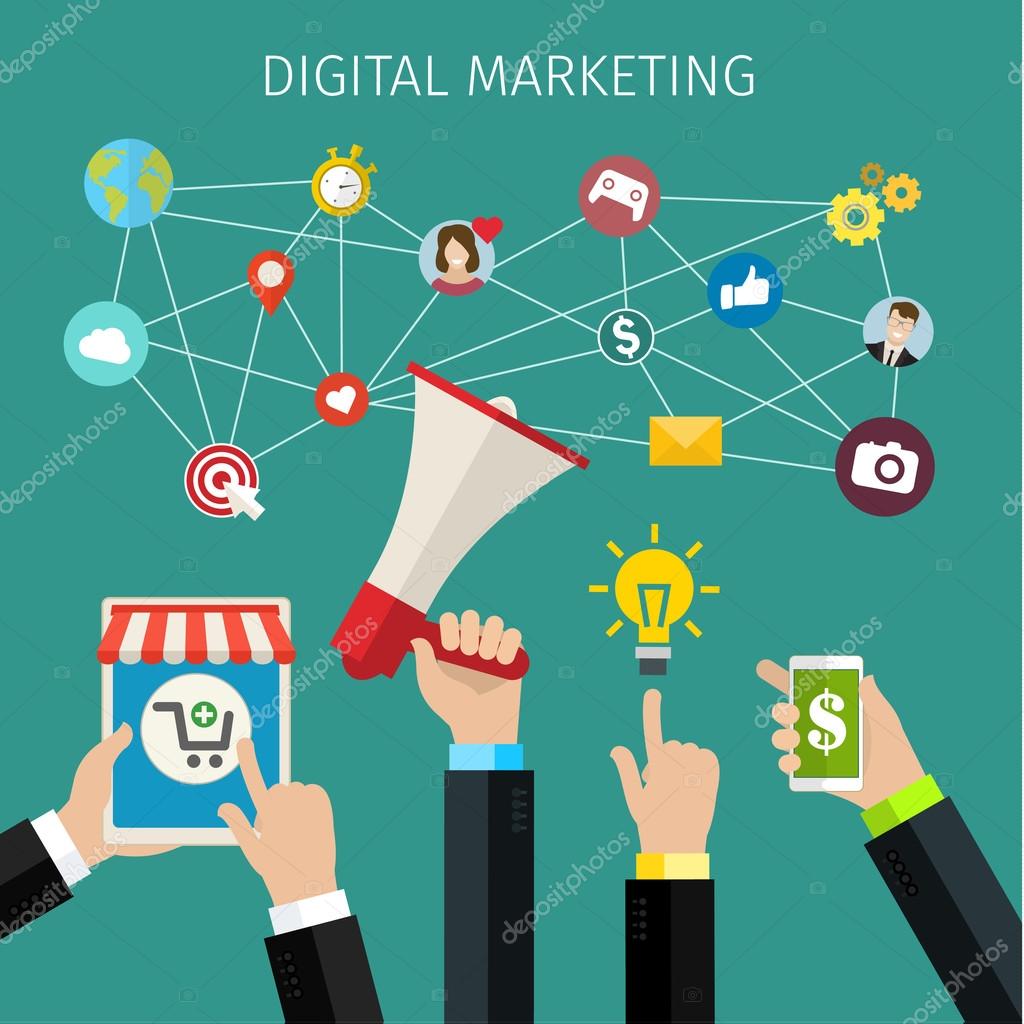
Many platforms offer features such as lead scoring and nurturing, enabling marketers to prioritize high-potential leads and guide them through the sales funnel more effectively. Advanced segmentation capabilities allow for highly targeted campaigns, ensuring the right message reaches the right audience at the right time. Real-time analytics dashboards provide valuable insights into campaign performance, allowing for continuous optimization and improvement.
"Marketing automation isn't just about automating tasks; it's about automating your success by streamlining workflows, improving efficiency, and providing data-driven insights to optimize your marketing efforts."
Selecting the Right Marketing Automation Software: A Step-by-Step Guide
Choosing the ideal marketing automation software is a strategic decision that requires careful planning and execution. It's a journey, not a destination, requiring a thorough understanding of your business needs, a critical assessment of available options, and a commitment to ongoing optimization. Here's a detailed breakdown of the key steps:
Define Your Marketing Goals & Objectives: What are you hoping to achieve with marketing automation? Increased lead generation? Improved customer engagement and retention? Higher conversion rates? Increased brand awareness and market share? Quantifiable, measurable goals (SMART goals) will guide your software selection and provide a framework for measuring success. Consider short-term and long-term objectives to ensure the software aligns with your overall business strategy.
Assess Your Current Marketing Processes & Identify Pain Points: Before diving into software selection, conduct a thorough audit of your existing marketing processes. Identify bottlenecks, inefficiencies, and areas where automation can provide the most significant impact. What tasks consume the most time and resources? Where are your biggest challenges in terms of lead nurturing, customer engagement, or campaign performance? Document these pain points to prioritize features in your prospective software.
Budgeting and Scalability: Marketing automation software comes at varying price points, ranging from affordable options for small businesses to enterprise-level solutions with extensive features. Consider your current budget, projected growth, and future needs to select a solution that scales with your business, allowing for expansion without requiring a complete platform overhaul. Factor in implementation costs, training, and ongoing maintenance expenses.
Integration Capabilities: Ensure the software seamlessly integrates with your existing CRM (Salesforce, HubSpot, etc.), analytics platforms (Google Analytics, etc.), and other essential tools (e-commerce platforms, social media management tools, etc.). Avoiding data silos is crucial for a holistic view of your customer journey and maximizing the effectiveness of your marketing efforts. Prioritize seamless data flow to avoid manual data entry and ensure accuracy.

Feature Set & Functionality: Compare different platforms based on the specific features you require. Beyond the basics (email marketing, lead scoring, A/B testing), consider features such as:
- Lead nurturing workflows: Automated email sequences to guide leads through the sales funnel.
- Marketing campaign management: Tools to plan, execute, and analyze marketing campaigns across multiple channels.
- Social media integration: Scheduling and monitoring social media activity.
- Reporting and analytics: Detailed dashboards and reports to track key metrics and measure ROI.
- Customer segmentation: Ability to segment audiences based on demographics, behavior, and other factors.
- Personalization capabilities: Ability to tailor messages and offers to individual customers.
User-Friendliness & Ease of Use: The best software is intuitive and easy to use. Select a platform with a user-friendly interface, comprehensive training resources, and readily available support documentation. Consider the technical skills of your team and choose a platform that aligns with their capabilities.
Vendor Support & Reputation: Choose a vendor with responsive customer support, readily available documentation, a proven track record of success, and a strong reputation within the industry. Look for vendors who offer ongoing support, training, and resources to ensure a smooth implementation and ongoing success. Read reviews and testimonials from other users before making a decision.
💡 Pro Tip: Request demos from shortlisted vendors to get a hands-on experience with the software before making a final decision. This hands-on experience allows you to assess user-friendliness, functionality, and overall fit with your workflow and team capabilities. Prepare a list of specific questions and scenarios to test the software's capabilities and the vendor's responsiveness.
Frequently Asked Questions (FAQ)
What are the key benefits of using marketing automation software?
Marketing automation software offers numerous significant benefits that extend beyond simple task automation. It dramatically increases efficiency by automating repetitive tasks, allowing marketers to focus on strategic initiatives and creative endeavors. It provides valuable data-driven insights, enabling better targeting, personalization of marketing efforts at scale, and continuous optimization. This leads to increased lead generation, improved customer engagement and retention, higher conversion rates, stronger customer relationships, and ultimately, a demonstrably higher return on investment (ROI). Moreover, the automation of repetitive tasks reduces the potential for human error, leading to more consistent and accurate results.
How much does marketing automation software cost?
The cost of marketing automation software varies greatly depending on the features, scale, and vendor. Pricing models often include monthly subscriptions based on the number of contacts, users, or features. Some vendors offer tiered pricing plans to accommodate businesses of different sizes and budgets. It's crucial to get detailed pricing information from each vendor to understand the total cost of ownership, including implementation, training, and ongoing support.
Conclusion
Investing in the right marketing automation software is a strategic move that can significantly impact your business's growth trajectory and competitive advantage. By following the steps outlined above, you can effectively navigate the selection process, choosing a solution tailored to your specific needs, budget, and long-term goals. Remember, successful implementation of marketing automation software isn't just about choosing the right tool; it's about integrating it seamlessly into your existing marketing strategy, providing adequate training to your team, consistently optimizing its usage, and continuously measuring its impact to maximize its potential. Don't hesitate to leverage the power of marketing automation software to drive your marketing efforts forward, improve efficiency, and ultimately achieve sustainable business growth.
0 Response to "Supercharge Your Marketing: Choosing the Right Marketing Automation Software"
Post a Comment