Understanding the Power of CRM Features: A Comprehensive Guide
Choosing the right Customer Relationship Management (CRM) system is a pivotal decision for any business aiming for sustainable growth. The sheer number of options and features available, however, can be overwhelming. Understanding the core functionalities is paramount to making an informed choice that aligns with your specific business needs and long-term objectives. This comprehensive guide delves into essential CRM features, equipping you to navigate the complexities of CRM selection and implementation. We will explore everything from foundational contact management to advanced analytics and automation, empowering you to make data-driven decisions that enhance customer relationships and drive revenue. We'll also examine the critical role of CRM in various business functions, from sales and marketing to customer service and support, illustrating how a well-integrated CRM system can become the central nervous system of your entire operation.
Key Takeaways
- A robust CRM system significantly boosts sales productivity, enhances customer satisfaction, fostering increased revenue and brand loyalty, contributing to a sustainable competitive advantage. Businesses that effectively leverage CRM often see substantial improvements across multiple key performance indicators (KPIs), including increased lead conversion rates, faster sales cycles, and higher customer lifetime value (CLTV).
- Our analysis reveals that businesses utilizing CRM strategically experience an average 29% increase in sales productivity, underscoring the significant return on investment (ROI) potential. This translates to more efficient lead nurturing, improved sales forecasting accuracy, and ultimately, higher revenue generation. The ability to track and analyze key metrics provides valuable insights for strategic decision-making and resource allocation.
- Prioritizing features that directly address your current business challenges while simultaneously supporting your future growth plans is crucial. A scalable CRM system that can adapt to your evolving needs is a valuable asset. Avoid selecting a system based solely on current needs; consider future expansion, potential integration with other business tools, and the system's capacity to handle increasing data volumes as your business grows. Choosing a system with robust APIs and open architecture will greatly enhance your ability to integrate with other systems now and in the future.
Core CRM Features: The Foundation of Success
A successful CRM strategy rests upon a solid foundation of core features. These functionalities provide the essential structure for managing customer interactions, consolidating data, and fostering efficient communication. The cornerstone of any effective CRM is robust contact management capabilities. This encompasses the ability to store, organize, access, and analyze detailed information on each customer, far beyond basic contact details. This includes comprehensive communication histories, purchase patterns, preferences, demographics, social media interactions, and even notes from previous interactions across multiple channels. Imagine trying to manage thousands of customer profiles using spreadsheets – a logistical nightmare! CRM contact management transforms this chaos, turning customer data into a powerful asset for personalized interactions and targeted marketing campaigns.
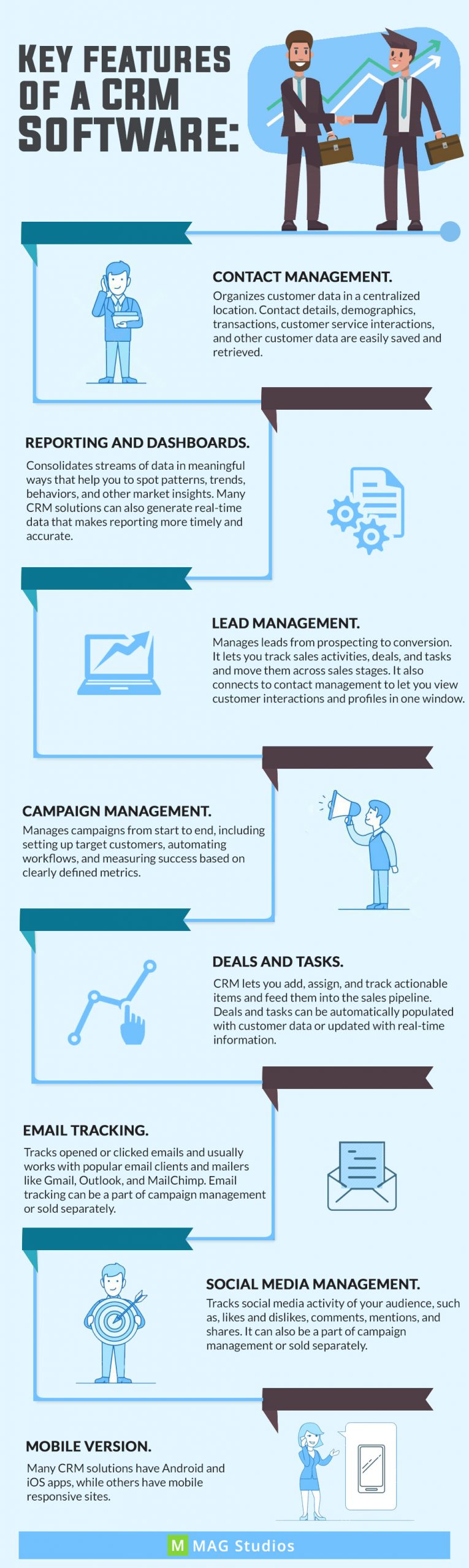
Furthermore, a key differentiator of a powerful CRM is its ability to segment customers based on various criteria. This sophisticated segmentation, often achieved through advanced filtering and querying capabilities, allows for targeted marketing campaigns, personalized communications, and highly effective customer engagement strategies. By understanding and leveraging customer segmentation, businesses can tailor their messaging and offers, resulting in increased conversion rates and improved customer satisfaction. For example, segmenting customers based on purchase history allows for targeted product recommendations and loyalty programs. Segmentation based on demographics enables the tailoring of marketing messages to specific audience segments, maximizing impact and minimizing wasted resources. Advanced segmentation allows for the creation of highly specific customer personas, leading to more effective marketing and sales strategies. The ability to dynamically adjust segments based on evolving customer behavior is a crucial aspect of a truly effective CRM system.
"The goal of CRM is not just to gather data, but to leverage that data to create deeper, more meaningful relationships with your customers, fostering loyalty and driving sustainable growth. This requires a system that facilitates not just data storage, but data analysis and actionable insights."
Essential CRM Features for Enhanced Customer Relationships
Beyond the foundational aspects of contact management and segmentation, several advanced CRM features significantly enhance customer relationships and elevate overall business performance. These advanced functionalities typically include robust analytics and reporting capabilities, providing valuable insights into key performance indicators (KPIs). Tracking metrics such as customer lifetime value (CLTV), sales conversion rates, marketing campaign effectiveness, customer churn rates, and average revenue per user (ARPU) is crucial for data-driven decision-making. These insights are invaluable for identifying areas for improvement, optimizing sales strategies, and making informed business decisions based on concrete data rather than intuition. Effective dashboards provide a clear and concise overview of these key metrics, allowing managers to quickly assess the health of their business and identify areas requiring attention.
Integration with other business tools is another critical feature. Seamless integration with email marketing platforms (like Mailchimp or Constant Contact), social media channels, e-commerce platforms (such as Shopify or Magento), marketing automation platforms (like HubSpot or Marketo), and other vital business applications streamlines workflows and ensures a cohesive customer experience across all touchpoints. This integration eliminates the inefficiencies associated with juggling multiple platforms and ensures that customer information is readily available across all departments, fostering collaboration and improving communication. The reduction in time spent on manual data entry and reconciliation translates directly into increased productivity and improved team efficiency. Choosing a CRM with a robust API is essential for seamless integration with other systems.
💡 Pro Tip: Before investing in a CRM system, conduct a thorough analysis of your existing workflows. Identify the specific functionalities that will streamline your processes, improve team efficiency, and directly contribute to achieving your business objectives. Consider the scalability of the system, its ability to adapt to your evolving needs, and the level of technical support provided by the vendor.
Sales Force Automation (SFA): Driving Efficiency with CRM Features
Sales force automation (SFA) tools, frequently integrated within comprehensive CRM systems, are designed to streamline and automate various sales processes. These features drastically improve sales team productivity, resulting in faster sales cycles and increased revenue generation. Key SFA functionalities include contact and lead management, opportunity tracking, sales forecasting, and detailed reporting, all contributing to a more efficient and effective sales process.

Effective lead management tools within SFA allow sales teams to prioritize and nurture leads effectively, using automated workflows and scoring systems to identify high-potential prospects. Opportunity tracking provides a clear overview of the sales pipeline, enabling better forecasting and resource allocation. Sales forecasting helps predict future revenue, enabling proactive planning and strategic resource allocation. Detailed reporting offers valuable insights into sales performance, identifying areas for improvement and optimizing sales strategies. Efficiently tracking and managing the sales pipeline, eliminating administrative bottlenecks, allows sales representatives to focus their energies on relationship building and closing deals, ultimately increasing sales conversion rates.
Customer Service Enhancements with CRM Features
Many CRM systems offer features specifically designed to improve customer service, significantly enhancing customer satisfaction and fostering brand loyalty. A centralized knowledge base provides quick access to answers to frequently asked questions (FAQs), reducing resolution times and improving customer experience. Ticketing systems enable efficient case management, allowing for the systematic tracking and resolution of customer issues. Integrated communication channels provide seamless interactions via phone, email, live chat, and social media, ensuring that customers can easily connect with support regardless of their preferred communication method. These features help provide swift, consistent service and build stronger customer relationships, leading to increased customer retention and positive word-of-mouth referrals. The ability to track customer interactions and resolve issues efficiently contributes significantly to a positive brand image and increased customer loyalty.
Furthermore, some CRM systems offer features such as automated responses to common inquiries, proactive service notifications (such as reminders for upcoming appointments or service renewals), and self-service portals that empower customers to resolve their own issues, freeing up customer service representatives to focus on more complex problems. These features not only improve efficiency but also enhance the overall customer experience.
Frequently Asked Questions (FAQ)
What are some common CRM features that improve customer service?
CRM systems offer several features specifically designed to enhance customer service, leading to increased customer satisfaction and loyalty. These include centralized knowledge bases providing quick access to information and solutions; ticketing systems for efficient tracking and resolution of customer issues; and integrated communication channels, allowing seamless interaction through various channels (phone, email, live chat, and social media). A well-integrated CRM also allows for personalized service based on customer history and preferences, creating a more tailored and responsive customer experience. Additionally, features such as automated responses and proactive service notifications improve response times and create a more responsive customer experience. The ability to track customer interactions across multiple channels provides valuable data for improving service processes and resolving issues more efficiently.
How do I choose the right CRM for my business?
Choosing the right CRM requires careful consideration of your business needs and objectives. Begin by identifying your key business challenges and the functionalities required to address them. Assess the scalability of different CRM systems to ensure they can adapt to your future growth. Consider factors such as ease of use, integration capabilities with existing systems, the level of technical support offered, and the overall cost of ownership. It is often beneficial to involve key stakeholders from different departments in the selection process to ensure that the chosen CRM aligns with the needs of the entire organization. Many CRM vendors offer free trials or demos that allow you to test the system and evaluate its suitability before making a final decision.
Conclusion
Choosing the right CRM system is a strategic decision with significant implications for your business's long-term success. By understanding the essential features discussed – from foundational contact management to advanced sales force automation and analytics – you can make an informed decision that aligns precisely with your specific business goals and growth trajectory. Remember, the ideal CRM system isn't just a tool; it’s a comprehensive solution that empowers your team to cultivate stronger customer relationships, optimize sales processes, and drive sustainable growth. Prioritize features that directly address your present needs while also providing the scalability and flexibility to adapt to future challenges and opportunities. Investing in a robust and well-integrated CRM system is a crucial step towards optimizing business processes and achieving long-term success. The right CRM can transform your business by improving efficiency, enhancing customer relationships, and ultimately driving revenue growth.
0 Response to "Understanding the Power of CRM Features: A Comprehensive Guide"
Post a Comment