Selecting the Right CRM for Healthcare: A Comprehensive Guide
The healthcare industry is undergoing a dramatic digital transformation. Patient expectations are soaring, driven by increased access to information and personalized experiences in other sectors. Simultaneously, the regulatory landscape is becoming increasingly complex, demanding rigorous compliance and meticulous record-keeping. The need for efficient workflows, optimized resource allocation, and improved patient outcomes is more critical than ever. At the heart of this transformation lies the Customer Relationship Management (CRM) system. A well-chosen CRM for healthcare can be the difference between a thriving, patient-centric practice and one struggling to keep pace with the demands of modern healthcare delivery. This comprehensive guide will equip you with the knowledge and tools to navigate the complexities of selecting the ideal solution for your specific needs and long-term strategic objectives.
Key Takeaways
- Implementing a CRM for healthcare can dramatically improve patient satisfaction and loyalty, leading to increased patient retention and referrals.
- Studies consistently show that CRM usage in healthcare can lead to a significant increase in operational efficiency, often exceeding 20%, resulting in cost savings and improved resource utilization. This translates to more time spent on direct patient care and less on administrative tasks.
- A thorough needs assessment, encompassing all aspects of your practice and future goals, is paramount before making a CRM selection. Ignoring this crucial step often leads to costly mistakes and ineffective implementation.
- Budgetary considerations should encompass not only the initial software license but also implementation costs, ongoing maintenance, training, and potential integration with existing systems.
Understanding Your Healthcare CRM Needs
Before exploring specific CRM options, a thorough understanding of your practice's unique operational realities and strategic aspirations is crucial. This requires a comprehensive internal assessment, identifying your current pain points and areas for improvement. Are you struggling with inefficient patient communication, leading to missed appointments and frustrated patients? Are appointment scheduling processes cumbersome, resulting in scheduling conflicts and lost revenue? Are your data management practices fragmented, making it difficult to track patient history, analyze trends, and meet regulatory reporting requirements? Consider the size and complexity of your practice, the types of healthcare services you provide, and the technological proficiency of your team. Do you require seamless integration with your existing Electronic Health Record (EHR) system, billing software, and other critical applications? The selected CRM must seamlessly complement your existing technological infrastructure rather than create further integration challenges. Furthermore, envision your practice's future growth trajectory. Will your CRM scale effectively to accommodate increased patient volume and expanding service offerings? These considerations are fundamental to ensuring a successful CRM implementation. A successful implementation hinges on a deep understanding of your practice’s current state, future goals, and the potential for growth. Think of it as building a sophisticated medical facility – you wouldn't start without detailed architectural plans and a thorough understanding of the building codes and regulations.

"The right CRM for healthcare is not a one-size-fits-all solution; it's a precisely tailored instrument designed to optimize your specific operational needs, enhance the patient experience, and drive sustainable growth."
Choosing the Best CRM for Healthcare: A Step-by-Step Guide
Selecting the right CRM for healthcare is a strategic decision requiring a systematic and methodical approach. Rushing this process can lead to a poor fit, wasted resources, and ultimately, a failure to realize the intended benefits. Here’s a detailed breakdown of the key steps involved:
Define Your Requirements: A Comprehensive Needs Assessment: This involves more than simply listing desirable features. It requires a granular analysis of your practice's workflow, identifying specific bottlenecks and inefficiencies. For example, if patient communication is a major challenge, define the types of communication required (e.g., appointment reminders, prescription refills, follow-up calls), the desired communication channels (e.g., email, SMS, phone), and the key performance indicators (KPIs) you'll use to measure success (e.g., appointment attendance rates, patient satisfaction scores). Similarly, if appointment scheduling is a problem, define the required features (e.g., online booking, automated scheduling, integration with EHR), the desired level of customization, and the KPIs for success. This rigorous process will ensure that your CRM selection aligns perfectly with your specific needs.
Budget Allocation: A Realistic Financial Plan: Determine a realistic budget that encompasses all aspects of CRM implementation and ownership. This includes the initial software license fees, implementation costs (consulting, customization, data migration), ongoing maintenance and support fees, training costs for your staff, and potential costs associated with integration with existing systems. Consider also the potential return on investment (ROI) in terms of increased efficiency, improved patient outcomes, and enhanced revenue generation. A well-defined budget ensures that you select a CRM that fits within your financial constraints while maximizing the value you receive.
Vendor Research: Due Diligence and Vendor Selection: Thoroughly research reputable healthcare CRM vendors. Go beyond superficial marketing materials. Seek out case studies from practices similar to yours, focusing on their experiences with implementation, ongoing support, and the achievement of their stated objectives. Scrutinize customer testimonials and reviews from various sources, paying close attention to both positive and negative feedback. Assess the vendor's financial stability, reputation, and commitment to ongoing innovation and support.
Feature Comparison: A Side-by-Side Analysis: Create a comprehensive spreadsheet to compare the features and pricing of different CRMs. Ensure that the features align with your defined requirements and fit within your allocated budget. Don't focus solely on the initial cost; consider the total cost of ownership (TCO) over the long term. Factor in ongoing maintenance, support, and potential upgrades.
Trial and Testing: A Hands-On Evaluation: Take full advantage of free trials or demos offered by vendors. Involve multiple members of your team in the testing process, ensuring that the software meets the needs of all relevant departments (e.g., front office, clinical staff, billing). Simulate real-world scenarios to assess the CRM's usability, efficiency, and overall effectiveness. Pay attention to the software's intuitiveness, its reporting capabilities, and its ease of integration with your existing systems.
Implementation and Training: A Smooth Transition: Plan meticulously for the implementation process. Work closely with the vendor to ensure a smooth transition, minimizing disruption to your daily operations. Invest in comprehensive staff training, ensuring that all team members are proficient in using the new system. Adequate training is crucial for maximizing the CRM's effectiveness and ensuring a positive user experience.
Ongoing Monitoring and Optimization: Continuous Improvement: Regularly monitor the performance of your CRM and make necessary adjustments to optimize its effectiveness. Utilize the CRM's reporting and analytics capabilities to track key metrics, identify areas for improvement, and measure your ROI. The best CRMs are adaptable and allow for continuous improvement based on evolving practice needs and technological advancements.
💡 Pro Tip: Involve your entire team in the selection process. Their diverse perspectives and firsthand experience with your practice's workflows are invaluable in ensuring that the chosen CRM meets the needs of every department and contributes to a positive, collaborative work environment. Their feedback will contribute significantly to a successful implementation and long-term user adoption.
Frequently Asked Questions (FAQ)
What are the benefits of using a CRM for healthcare?
A CRM for healthcare offers a multitude of benefits, extending far beyond simple contact management. These benefits include:
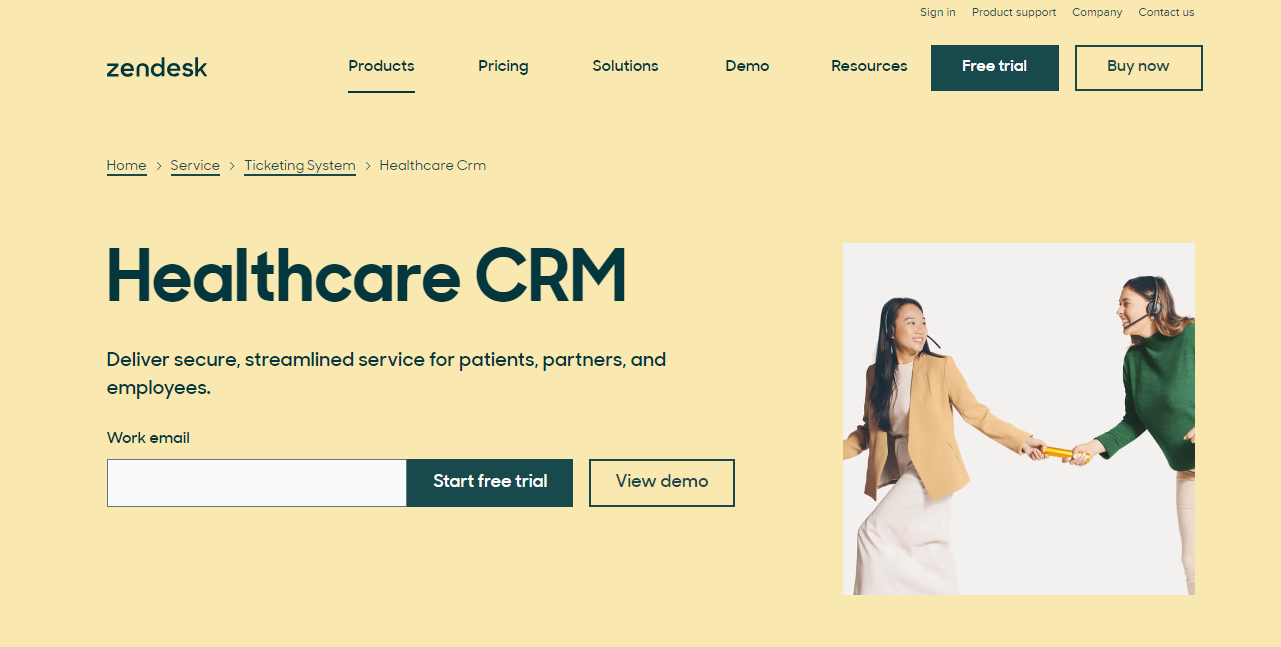
Improved Patient Communication: Streamlined and personalized communication reduces missed appointments, improves patient engagement, and enhances patient satisfaction. Features like automated appointment reminders, personalized email campaigns, and secure messaging systems contribute to improved patient experiences.
Streamlined Workflows: Automation of repetitive tasks frees up staff time for more valuable activities, such as direct patient care and strategic planning.
Enhanced Data Management: Centralized patient data improves access to critical information, facilitating better decision-making and enhancing the quality of care.
Better Appointment Scheduling: Efficient scheduling minimizes no-shows, reduces wait times, and improves overall practice efficiency.
Increased Patient Engagement and Loyalty: Personalized interactions and proactive communication foster stronger patient relationships, resulting in increased patient retention and referrals.
Improved Revenue Cycle Management: Better tracking of appointments, payments, and outstanding balances contributes to improved revenue cycle management and reduced administrative overhead.
Enhanced Team Collaboration: Centralized data and communication tools improve collaboration among team members, fostering a more coordinated and efficient work environment. Real-time updates and shared access to information promote improved communication between departments.
Regulatory Compliance: Sophisticated CRMs can assist in meeting regulatory reporting requirements by providing organized and readily accessible patient data.
Data-Driven Decision Making: CRMs provide detailed analytics and reporting capabilities which help uncover trends and insights, enabling data-driven decision making to improve the effectiveness of the practice.
Conclusion
Selecting the right CRM for healthcare is a pivotal decision that can dramatically impact your practice's efficiency, patient satisfaction, profitability, and overall success. By diligently following the steps outlined in this guide, conducting a thorough needs assessment, and carefully evaluating your options, you can select a CRM system that empowers your team to provide exceptional patient care while simultaneously streamlining operations and achieving your strategic goals. Remember, a successful implementation is not merely about choosing the right software; it's about thorough planning, comprehensive staff training, and ongoing monitoring and optimization. The long-term benefits of a well-implemented CRM system far outweigh the initial investment, contributing to a thriving and sustainable healthcare practice.
0 Response to "Selecting the Right CRM for Healthcare: A Comprehensive Guide"
Post a Comment