Salesforce vs. HubSpot: Choosing the Right CRM for Your Business
Choosing the right Customer Relationship Management (CRM) system is a critical decision for any business, irrespective of size or industry. The market overflows with options, but two platforms consistently stand out: Salesforce and HubSpot. This comprehensive comparison will meticulously analyze the strengths and weaknesses of each, providing a robust framework for an informed decision tailored to your specific needs and future ambitions. The ideal CRM isn't a one-size-fits-all solution; it’s the perfect fit for your unique business context, aligning with your current operational structure and projected growth trajectory. A poorly chosen CRM can hinder efficiency and growth, becoming a significant obstacle rather than a valuable asset. Therefore, a thorough evaluation is paramount before committing to a long-term investment.
Key Takeaways
Salesforce: Offers unparalleled scalability and customization, making it a powerful choice for large enterprises with intricate needs and complex sales processes. Its robust infrastructure effortlessly supports substantial growth and sophisticated data management, handling vast amounts of information with ease and precision. The platform’s extensibility, fueled by its vast AppExchange ecosystem, further enhances its capabilities, allowing for tailored integrations with other business tools.
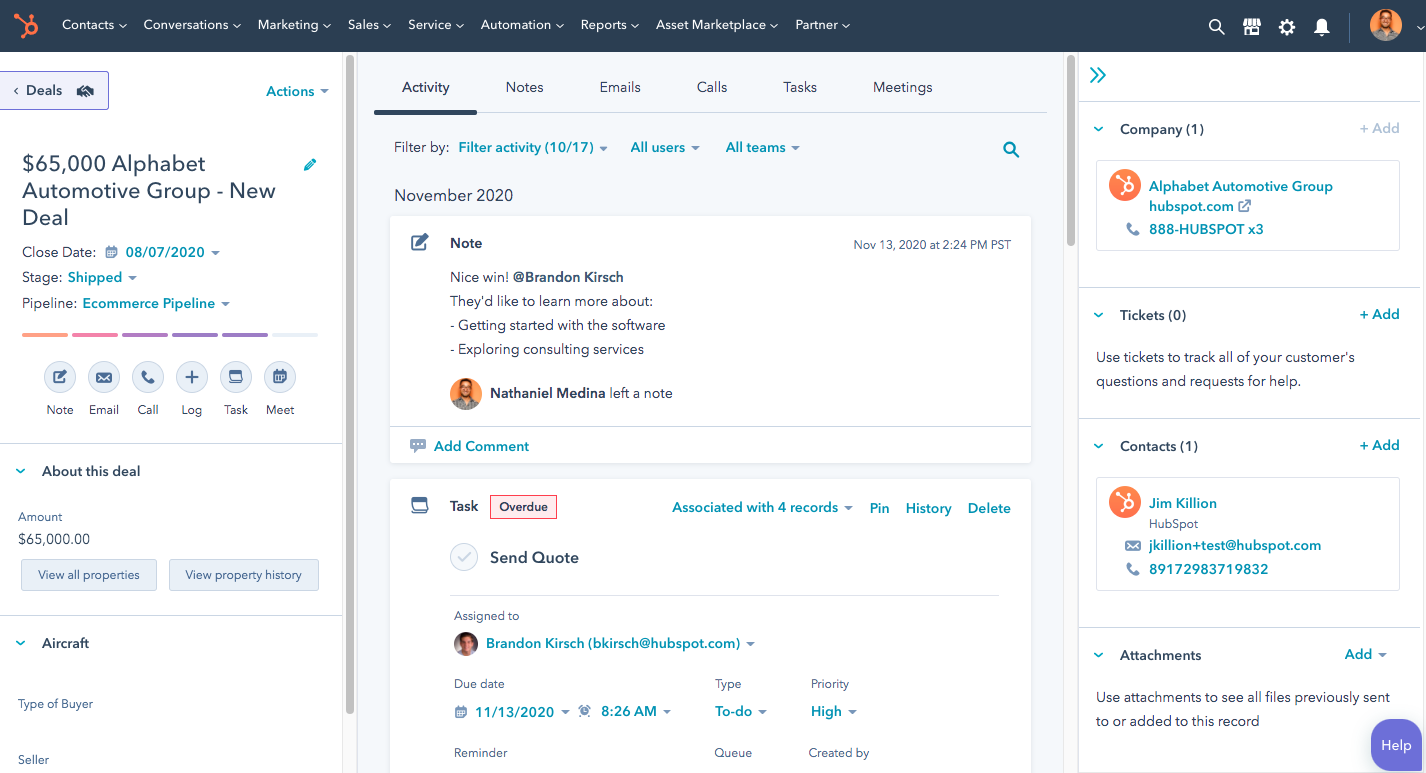
HubSpot: Provides a more user-friendly interface and a comprehensive suite of integrated marketing, sales, and service tools, making it ideal for smaller businesses and those seeking an all-in-one solution to streamline workflows. Its intuitive design minimizes the learning curve, allowing teams to quickly become productive and focus on core business objectives. The integrated nature of the platform fosters seamless collaboration across departments, enhancing efficiency and communication.
Thorough Assessment is Crucial: Before making a decision, meticulously assess your present and projected needs. Consider factors such as team size, budget constraints, existing technical expertise, anticipated growth trajectory, and the complexity of your sales processes. Engage in a detailed analysis of your business operations to identify specific pain points and determine how a CRM can address these challenges. This comprehensive approach ensures the chosen CRM aligns with your long-term strategic goals. Don't rush the decision; allocate sufficient time for thorough evaluation of both platforms, considering both immediate and future requirements.
Salesforce: Power and Complexity – A Deep Dive
Salesforce, a leading CRM, is renowned for its extensive functionality, exceptional scalability, and powerful customization options. It's the preferred choice for large organizations with multifaceted sales processes, extensive customer bases, and rigorous data requirements. Its immense power derives from a vast ecosystem of apps and seamless integrations with other business tools, facilitating a unified and highly efficient business operation. This adaptability caters to the complex needs of large enterprises, enabling the seamless management of diverse sales teams and intricate, multi-stage deals, including complex pricing models and contract negotiations. The platform's robust reporting and analytics capabilities provide invaluable data-driven insights, allowing for strategic adjustments and optimized performance.
However, this versatility comes with a substantial investment – both financially and in terms of time and resources required for implementation, training, and ongoing maintenance. Mastering Salesforce demands specialized training and often necessitates hiring dedicated administrators proficient in its intricate configuration and advanced features. The initial learning curve can be steep, potentially impacting productivity until team members achieve proficiency. The platform's extensive customization capabilities, while advantageous, can also introduce complexity, especially for users unfamiliar with its functionalities. Detailed configuration and ongoing maintenance can be time-consuming and require specialized skills, potentially increasing overall IT costs. Consider Salesforce a high-performance vehicle – exceptionally capable but demanding expertise to fully harness its potential.
“The right CRM isn’t just about managing contacts; it's about orchestrating a seamless and personalized customer journey, fostering enhanced engagement, driving sustainable revenue growth by leveraging data-driven insights, and ultimately improving customer lifetime value.”
Salesforce vs. HubSpot: A Detailed Feature Comparison
Let's dissect the core features to highlight key distinctions, guiding you towards a well-informed decision. While both platforms offer fundamental CRM functionalities like contact management, lead tracking, and sales pipeline management, their strengths diverge significantly, catering to different business needs and scales. We’ll examine key functionalities relevant to sales, marketing, and customer service operations.
Salesforce: Excels in handling complex sales processes, providing advanced reporting and analytics capabilities, and offering extensive customization options through its AppExchange marketplace. Its strength lies in managing large sales teams, intricate deals, and vast amounts of customer data, providing a granular view of the sales process and customer interactions. Its powerful reporting tools enable data-driven decision-making, facilitating strategic adjustments to optimize sales performance and forecast future revenue more accurately. Salesforce's inherent scalability allows it to seamlessly adapt to business growth and evolving needs, ensuring it remains a reliable and effective tool over time. Advanced features like Sales Cloud Einstein leverage AI to enhance sales productivity and predictive capabilities.
HubSpot: Offers a streamlined and intuitive user experience, particularly beneficial for smaller teams and those prioritizing ease of use. Its integrated marketing, sales, and service features provide a cohesive all-in-one solution, simplifying workflow and improving collaboration across departments. Its user-friendly interface reduces the learning curve, enabling teams to quickly become proficient and focus on sales and customer engagement. HubSpot’s built-in marketing tools, such as email marketing, social media management, and landing page creation, streamline marketing efforts and improve alignment between marketing and sales teams. This integration contributes to a more unified and efficient customer journey, fostering stronger customer relationships and improved conversion rates. The service features within HubSpot allow for efficient ticket management and enhanced customer support.
💡 Pro Tip: Don't rely solely on marketing materials. Request comprehensive, personalized demos from both Salesforce and HubSpot. This hands-on experience will provide invaluable insights into the user interface, workflow, reporting capabilities, and overall functionality, enabling a more informed and confident decision. Pay close attention to the ease of navigation, the intuitiveness of the tools, the robustness of the reporting dashboards, and the overall user experience. Involve key team members from sales, marketing, and customer service in the demo process to gather diverse perspectives and ensure the chosen platform aligns with the needs of everyone involved. Consider testing the platforms with your own data to evaluate performance and compatibility.
Frequently Asked Questions (FAQ)
What is the pricing difference between Salesforce and HubSpot?
Salesforce pricing is highly dynamic, varying based on the edition (Sales Cloud, Service Cloud, Marketing Cloud, etc.), the number of users, chosen features, and add-ons. It's generally a more expensive option, reflecting its extensive functionality, scalability, and advanced features. This higher cost often correlates with a greater return on investment for larger enterprises due to its ability to manage complex processes and substantial data volumes. However, the exact cost requires a detailed quote based on specific requirements.
HubSpot's pricing is tiered, offering varying levels of functionality and support. It generally presents a more affordable and transparent pricing structure, particularly appealing to smaller businesses with tighter budgets. Both platforms offer freemium versions with limited features, providing an opportunity to explore the platform and assess its suitability before committing to a paid subscription. Careful consideration of your specific needs and budget is crucial when comparing pricing models. Beyond the initial cost, factor in implementation costs, training expenses, ongoing maintenance fees, and potential customization fees.
Conclusion: The Right CRM for Your Business
The choice between Salesforce and HubSpot isn't a simple binary decision; it's contingent upon your organization's unique context, current infrastructure, and long-term vision. Salesforce excels as a powerful, scalable solution for large enterprises with complex requirements and substantial budgets, offering unparalleled customization and robust analytics. Its capacity to handle enormous data sets and complex workflows makes it ideal for organizations with extensive customer bases and sophisticated sales processes.
However, for smaller businesses seeking a user-friendly, all-in-one platform that seamlessly integrates marketing and sales functionalities, HubSpot often emerges as the more practical and cost-effective choice. Its ease of use, intuitive interface, and integrated features make it easier to implement and utilize, particularly for businesses with limited IT resources.
Remember, selecting a CRM is a strategic decision with long-term implications. Thoroughly analyze your current and future needs, meticulously weigh the pros and cons of each platform, and consider the technical expertise and training budgets within your team. Investing time in thorough research, hands-on exploration, and seeking external expert advice (if needed) will pay dividends in the long run, ensuring your chosen CRM becomes a valuable asset that fosters growth, efficiency, and ultimately, business success. The success of your CRM implementation hinges not only on choosing the right tool but also on effective implementation, ongoing training, and continuous optimization. Ultimately, the best CRM empowers your business to thrive by improving customer relationships, streamlining operations, and enhancing data-driven decision-making.
0 Response to "Salesforce vs. HubSpot: Choosing the Right CRM for Your Business"
Post a Comment