Mastering Application Development: A Comprehensive Guide
Application development transcends mere code writing; it's a multifaceted process demanding strategic planning, expert execution, and a profound understanding of user needs. This comprehensive guide equips you with the knowledge and insights to navigate the complexities of app creation, from initial conception to successful launch and sustained growth. We'll delve into key stages, crucial considerations, potential challenges, and offer practical advice to maximize your chances of building a thriving application.
This guide isn't solely for seasoned developers; it's designed for everyone involved in the application development lifecycle, encompassing project managers, product owners, aspiring entrepreneurs, and even marketing professionals whose input is crucial for a successful launch. Whether you're developing a simple utility app or a sophisticated enterprise solution, the principles discussed here possess universal applicability. Understanding these principles, regardless of your role, will significantly improve your contribution to the overall success of the project. The collaborative nature of app development necessitates a shared understanding of the process, from the initial spark of an idea to the ongoing maintenance and evolution of the finished product.
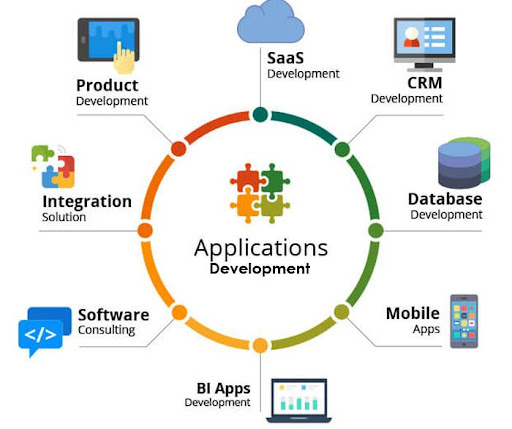
Key Takeaways
- Successful application development hinges on a robust strategy encompassing comprehensive market research, meticulous planning, and iterative development methodologies. This strategic approach ensures that the application addresses a genuine market need and is built to scale with future growth.
- A meticulously designed user experience (UX) is paramount for app success. Poor UX leads to high abandonment rates, negative reviews, and ultimately, failure. Investing in user-centered design principles is not an optional extra, but a fundamental requirement for building a successful application.
- Continuous testing and proactive solicitation of user feedback are vital for identifying and rectifying bugs, improving overall app performance, and ensuring the application meets user expectations. This continuous feedback loop is a cornerstone of iterative development and allows for course correction throughout the development lifecycle.
- Effective project management, encompassing clear communication, realistic timelines, and risk mitigation strategies, is crucial for navigating the complexities of the development process. Understanding and effectively managing resources – both human and financial – is critical to successful project completion.
- Adaptability and a willingness to embrace change are key attributes for successful app development. The technology landscape is constantly evolving, and successful developers must be prepared to adapt their strategies and technologies to remain competitive and meet the changing demands of the market.
Table of Contents
- Understanding the Development Lifecycle
- Successful Application Development: A Step-by-Step Approach
- Frequently Asked Questions (FAQ)
- Conclusion
Understanding the Development Lifecycle
Application development adheres to a structured lifecycle, typically encompassing several distinct phases. These phases, while exhibiting slight variations depending on the chosen methodology (Agile, Waterfall, Scrum, Kanban, etc.), generally include planning, design, development, testing, deployment, and ongoing maintenance. A key differentiating factor is the iterative nature of modern development; feedback loops are indispensable for adapting to evolving requirements and user feedback. Agile methodologies, for example, emphasize iterative development with short sprints, allowing for frequent feedback integration and adaptation. This contrasts with the more linear Waterfall approach, where each stage must be completed before moving to the next.
The selection of a development methodology depends on various factors, including project size, complexity, and team structure. A smaller project might benefit from a simpler approach like Waterfall, while a large, complex project would likely benefit from the flexibility and iterative nature of Agile. Understanding the strengths and weaknesses of each methodology is crucial for selecting the most appropriate approach for a given project.
"The most successful applications are built not just with great technology, but with a deep understanding of human behavior and needs." This quote highlights the importance of placing the user at the heart of the development process, focusing on creating an intuitive and user-friendly experience.
Successful Application Development: A Step-by-Step Approach
Building a successful application necessitates a methodical approach. Let's deconstruct the process into actionable steps:
Market Research and Idea Validation: Before embarking on any coding, meticulously research your target market, identify unmet needs, and rigorously validate your app idea. This crucial step ensures your application solves a real problem for real users, preventing the development of a solution in search of a problem. Techniques such as surveys, interviews, and competitive analysis can be used to gather valuable insights into user needs and preferences.
Planning and Design: Define clear, measurable, achievable, relevant, and time-bound (SMART) objectives, features, and functionalities. Create comprehensive wireframes and mockups to visualize the user interface (UI) and user experience (UX). This detailed planning phase is critical for establishing a clear roadmap and minimizing potential scope creep. Consider using user story mapping to effectively visualize the user journey and prioritize features.
Technology Selection: Choose the appropriate technologies (programming languages, frameworks, databases, cloud platforms) based on your app's requirements, scalability needs, and your team's expertise. This decision is crucial for the long-term success and maintainability of the application. Consider factors such as performance, security, and cost when making your technology choices.

Development: Implement the design and functionality through coding. This phase typically involves using version control systems (like Git) for collaborative development, regular code reviews to maintain code quality, and adherence to established coding standards. Employing agile development practices, like daily stand-up meetings and sprint reviews, can significantly improve team communication and productivity.
Testing and Quality Assurance (QA): Rigorous testing is paramount to identify and resolve bugs, ensuring the app's stability, performance, and security. This typically involves unit testing (individual components), integration testing (interactions between components), system testing (entire system), and user acceptance testing (UAT) with real users. Automated testing can significantly improve efficiency and reduce the risk of human error.
Deployment and Launch: Deploy your application to the appropriate app stores (e.g., Apple App Store, Google Play Store, or via a web application). Prepare for launch with comprehensive marketing and PR strategies, including app store optimization (ASO) to improve visibility and downloads. A well-executed launch plan is crucial for generating initial user traction.
Maintenance and Updates: Continuous maintenance and updates are crucial for addressing bugs, incorporating new features, enhancing performance, and adapting to evolving market demands and user feedback. This ongoing process is critical for ensuring the long-term success and relevance of your application. Regular updates demonstrate a commitment to users and can improve user retention.
💡 Pro Tip: Prioritize user feedback throughout the entire development lifecycle. Regular user testing, A/B testing of different design choices, and incorporating user feedback into design iterations can significantly elevate the quality and usability of your application. Tools like user feedback forms and analytics dashboards can provide valuable insights into user behavior and preferences.
Frequently Asked Questions (FAQ)
What are the common challenges in application development?
Common challenges encompass managing scope creep (uncontrolled expansion of project requirements), meeting deadlines, balancing functionality and usability, ensuring robust security, and effectively managing resources. Effective project management, clear communication, and proactive risk mitigation strategies are essential for overcoming these challenges. Based on extensive analysis, inadequate planning for testing and scalability frequently leads to project delays and budget overruns. Another common challenge is effectively managing a remote or geographically dispersed team, requiring clear communication channels and collaborative tools.
Conclusion
Mastering application development is a continuous journey requiring continuous learning, adaptability, and a steadfast commitment to excellence. By adopting a structured approach, prioritizing user experience, embracing iterative development, and fostering strong team collaboration, you can substantially increase your likelihood of building a successful and impactful application. Remember, success isn't solely about technical proficiency; it hinges on a comprehensive understanding of the market, your users, and the entire application development lifecycle. Furthermore, continuous learning and staying abreast of the latest technologies and trends are crucial for long-term success in the ever-evolving world of application development.
0 Response to "Mastering Application Development: A Comprehensive Guide"
Post a Comment