Mastering Lead Generation: A Comprehensive Guide to Business Growth
Lead generation is the lifeblood of any successful business. Without a consistent influx of qualified leads, even the most exceptional product or service will struggle to gain traction and achieve sustainable growth. This comprehensive guide will delve into the critical components of effective lead generation, equipping you with the knowledge and strategic frameworks necessary to significantly enhance your business prospects. We will explore a wide array of techniques, from meticulous website optimization to leveraging the potent influence of content marketing and strategic partnerships, ultimately guiding you in cultivating a robust pipeline of potential customers ready to convert. The path to mastering lead generation requires a blend of strategic planning, tactical execution, and consistent analysis – a journey we'll navigate together.
Key Takeaways
- A precisely defined target audience is paramount for successful lead generation. Understanding your ideal customer's needs, pain points, and aspirations is foundational to every successful campaign.
- Content marketing consistently surpasses other methods in delivering high-quality leads, fostering trust and establishing your brand as a thought leader within your industry.
- Regular analysis and refinement of your strategies, driven by performance data, are crucial for maximizing results and ensuring a high return on investment. Adaptability and a willingness to experiment are key to long-term success.
- A diversified approach, incorporating various lead generation channels, is essential to mitigate risk and reach a wider audience.
Table of Contents
- Understanding Your Ideal Customer: The Foundation of Effective Lead Generation
- Effective Strategies for Lead Generation: A Multi-Channel Approach
- Measuring Success: Key Performance Indicators (KPIs) and Data Analysis
- Conclusion: Embracing the Ongoing Journey of Lead Generation Mastery
Understanding Your Ideal Customer: The Foundation of Effective Lead Generation
Before embarking on specific lead generation tactics, a profound understanding of your ideal customer is non-negotiable. This isn't simply about demographics; it's about crafting detailed buyer personas that paint a vivid picture of your target audience. Who are they? What are their daily challenges? What keeps them up at night? What are their aspirations, both professional and personal? Understanding their motivations, frustrations, and decision-making processes is paramount.
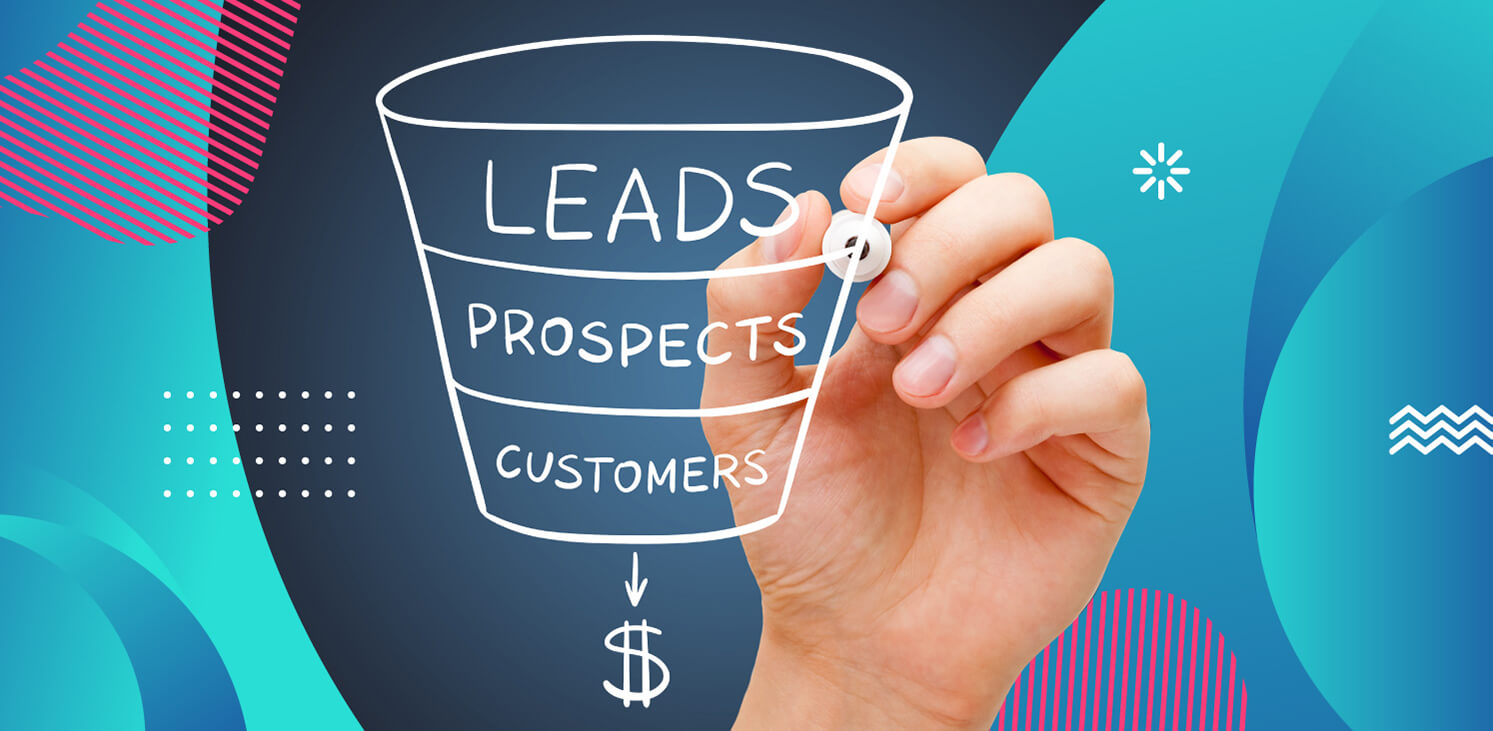
These buyer personas should encompass a comprehensive range of attributes: demographics (age, location, income, education), professional roles and responsibilities, online behavior (preferred social media platforms, websites visited, content consumed), purchasing habits, and preferred communication channels. Consider incorporating psychographics as well – understanding their values, lifestyle, and interests provides crucial context for crafting compelling messaging.
To enrich these profiles, leverage qualitative research methods. Conduct in-depth interviews, focus groups, and online surveys to gather firsthand insights. Analyze existing customer data to identify patterns and trends in purchasing behavior. The more nuanced your understanding of your ideal customer, the more effective your lead generation efforts will be. This deep understanding allows for the creation of highly targeted marketing campaigns that resonate with your audience on a personal level, increasing engagement and conversion rates. Think of it as crafting a personalized message for each individual within your target market segment – impossible at scale, but the principle remains: understanding your customer allows for greater precision and effectiveness.
"The most successful lead generation strategies are built on a deep understanding of the customer's journey, their motivations, and their pain points. It’s not about selling to them; it’s about helping them solve their problems.”
Effective Strategies for Lead Generation: A Multi-Channel Approach
With a clear understanding of your target audience, let's explore practical and effective lead generation strategies. The ideal approach involves a diversified blend of tactics, strategically tailored to your specific business model, customer base, and resources. A one-size-fits-all approach rarely yields optimal results.
Content Marketing: The Cornerstone of Lead Generation: Creating valuable, informative, and engaging content is paramount. This includes blog posts, ebooks, white papers, webinars, case studies, infographics, and videos. The key is to address your target audience's needs and pain points, providing solutions and establishing your brand as a trusted authority. Consistent content creation builds brand awareness, attracts organic traffic, and nurtures leads over time. Remember to optimize your content for search engines (SEO) to maximize its reach.
Search Engine Optimization (SEO): Driving Organic Traffic: SEO is the art of optimizing your website and content to rank higher in search engine results pages (SERPs). By targeting relevant keywords, you ensure that your website is readily discoverable by potential customers actively searching for products or services like yours. A strong SEO strategy is a long-term investment that yields consistent, organic traffic.
Social Media Marketing: Building Community and Engagement: Utilize relevant social media platforms to engage with your target audience, build brand awareness, generate interest, and drive traffic to your website. Social media offers valuable opportunities for interaction, relationship building, and targeted advertising.
Email Marketing: Nurturing Leads and Driving Conversions: Email marketing remains a potent tool for lead nurturing. Targeted email campaigns provide valuable information, educate prospects, and move them through the sales funnel. Segmentation allows for personalized messaging that resonates with specific customer segments.
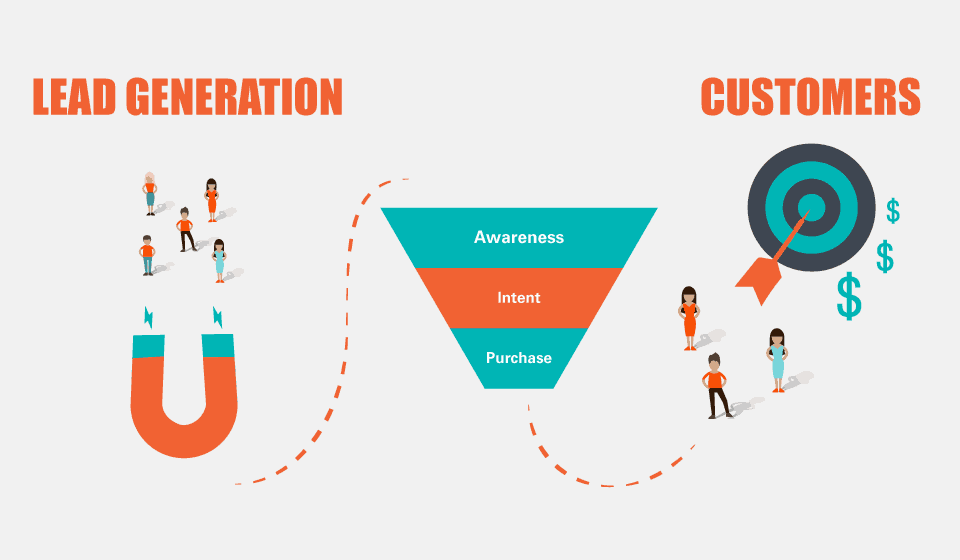
Paid Advertising (PPC): Reaching a Broader Audience: Platforms like Google Ads and social media advertising allow for targeted reach to a broader audience. PPC campaigns enable precise targeting based on demographics, interests, and behaviors, maximizing the efficiency of your advertising spend. A well-structured PPC campaign can significantly boost brand awareness and drive qualified leads.
Referral Programs: Leveraging the Power of Word-of-Mouth: Incentivizing existing customers to refer new leads is a highly effective strategy. Referral programs harness the power of word-of-mouth marketing, building trust and credibility. Satisfied customers are your most valuable advocates.
Strategic Partnerships and Joint Ventures: Collaborating with complementary businesses can significantly expand your reach and access new customer segments. Joint ventures and cross-promotional activities can introduce your brand to a wider audience and generate high-quality leads.
💡 Pro Tip: A diversified lead generation strategy is crucial. Don’t rely on a single channel; instead, create a synergistic blend of tactics to maximize your reach and mitigate risk. Regularly analyze the performance of each channel and adjust your strategy accordingly.
Measuring Success: Key Performance Indicators (KPIs) and Data Analysis
Tracking and analyzing key performance indicators (KPIs) is essential to measure the effectiveness of your lead generation efforts and identify areas for improvement. Key metrics include:
- Website Traffic: Monitor website visits, bounce rates, and time spent on site to assess the effectiveness of your website and content.
- Conversion Rates: Track the percentage of website visitors who complete desired actions (e.g., filling out a form, downloading a resource).
- Lead-to-Customer Conversion Rates: Measure the percentage of leads who ultimately become paying customers.
- Cost Per Lead (CPL): Calculate the cost of acquiring each lead to assess the efficiency of your campaigns.
- Return on Investment (ROI): Determine the return on your investment in lead generation activities.
Regularly reviewing and analyzing these metrics provides valuable insights into what's working, what's not, and where adjustments are needed. Utilize analytics platforms to track your progress and make data-driven decisions. This iterative process of analysis and refinement is essential for optimizing your lead generation strategy and achieving sustainable growth.
Conclusion: Embracing the Ongoing Journey of Lead Generation Mastery
Mastering lead generation is not a destination but an ongoing process of refinement and adaptation. By cultivating a deep understanding of your ideal customer, implementing a diversified range of strategies, meticulously tracking your KPIs, and embracing data-driven decision-making, you can build a robust pipeline of high-quality leads and fuel significant business growth. Remember that consistent effort, strategic analysis, and a willingness to experiment and iterate are essential to unlocking the full potential of your lead generation efforts. The journey to mastery is a continuous cycle of learning, improvement, and adaptation to the ever-evolving marketing landscape.
0 Response to "Mastering Lead Generation: A Comprehensive Guide to Business Growth"
Post a Comment