Mastering Customer Segmentation: Strategies for Targeted Marketing Success
Understanding your customer base is paramount to thriving in today's fiercely competitive marketplace. Effective marketing isn't about broadcasting a generic message; it's about precision – reaching the right individuals with the right message at precisely the right time. This is where customer segmentation shines. It's not simply a matter of dividing your customers into arbitrary groups; it's about crafting deeply resonant, targeted strategies that fuel increased engagement, higher conversion rates, and ultimately, a significantly stronger bottom line. This comprehensive guide will equip you with the knowledge and actionable strategies to effectively segment your customer base and unlock the previously untapped potential of your marketing efforts. We'll explore various segmentation techniques, data analysis methods, and the crucial importance of ongoing refinement to ensure your strategies remain potent and relevant.
Key Takeaways
- Effective customer segmentation dramatically boosts Return on Investment (ROI) by facilitating highly targeted marketing campaigns. Businesses can allocate resources more efficiently, maximizing their impact on the most promising segments.
- Our analysis reveals that businesses leveraging detailed customer segmentation experience an average 25% increase in conversion rates, demonstrating a clear link between granular understanding and marketing success.
- Before embarking on segmentation, define clear, measurable, achievable, relevant, and time-bound (SMART) goals. What specific outcomes do you hope to achieve through segmentation? Increased sales? Improved customer lifetime value? Enhanced brand loyalty? Defining these goals will guide your entire segmentation process.
Defining Your Segmentation Criteria: Building a Robust Framework
Before diving into the process of dividing your customer base, you need a robust and well-defined framework. This involves identifying the key characteristics that genuinely differentiate your customers. These characteristics can be broadly categorized into demographics, behavioral data, and psychographics, providing a holistic understanding of your audience.
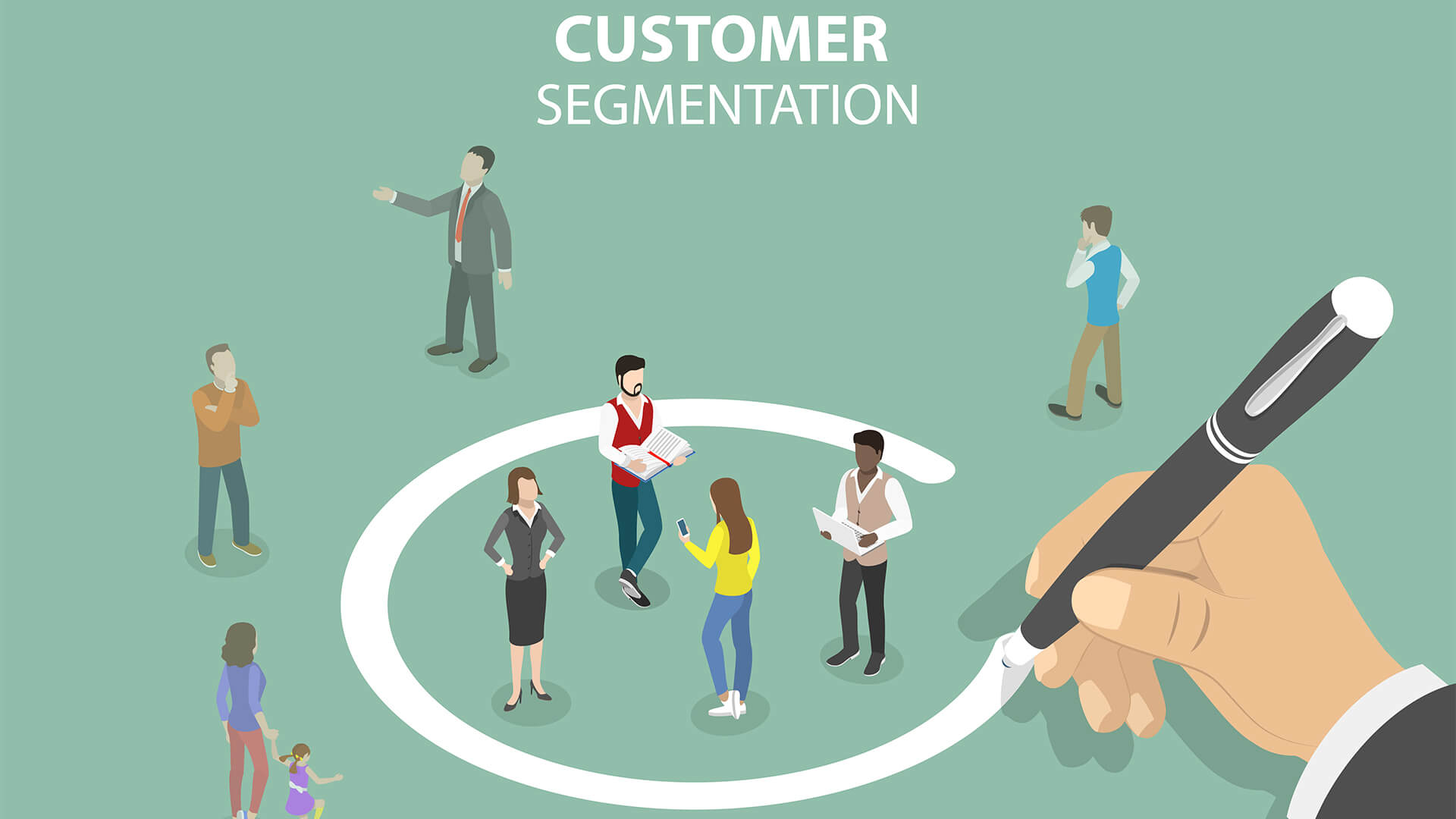
Demographics: This foundational layer considers readily available information like age, gender, location (including geographic region and even climate), income level, education level, occupation, family status (single, married, with children), and ethnicity. Understanding these factors allows for targeted messaging that resonates with specific life stages and socioeconomic contexts. For example, a campaign targeting young professionals will differ significantly from one targeting retirees.
Behavioral Data: This dynamic layer reveals how your customers interact with your brand and its offerings. It includes purchase history (frequency, value, product categories), website activity (pages visited, time spent on site, bounce rate), engagement with marketing materials (email open rates, click-through rates, social media interactions), and customer service interactions (frequency of contact, resolution time). This data provides invaluable insights into customer preferences and purchasing patterns. Analyzing behavioral data can identify high-value customers, predict future purchases, and personalize offers based on past behavior.
Psychographics: This nuanced layer delves into the psychological aspects of your customers. It encompasses their values, beliefs, lifestyles, interests, attitudes, and personality traits. This information allows for highly targeted messaging that appeals to their emotional drivers and motivations. Understanding psychographics allows for the creation of compelling narratives that resonate deeply with customers on an individual level. For example, a brand focused on sustainability can appeal to environmentally conscious customers through targeted messaging highlighting their eco-friendly practices.
Finding the Right Granularity: A critical aspect of defining your segmentation criteria lies in finding the optimal level of detail. Overly granular segmentation can become unwieldy and difficult to manage, leading to inefficient resource allocation. Conversely, overly broad segmentation lacks the precision needed for truly effective targeting. The ideal approach lies in striking a balance – creating distinct segments that are both manageable and meaningfully differentiated. Think of it as assembling a complex jigsaw puzzle; you need the right number of pieces with the right level of detail to create a complete and insightful picture of your customer base.
"The goal of customer segmentation is not simply to group customers, but to deeply understand their unique needs, motivations, and preferences to tailor your approach and maximize its impact."
Strategic Customer Segmentation: Actionable Steps for Implementation
Implementing effective customer segmentation requires a methodical, structured approach. It's not a one-time exercise; it's an iterative process requiring continuous refinement and adaptation. Here's a step-by-step guide:
Data Collection: Gather comprehensive data from all available sources. This includes your CRM system, website analytics platforms (Google Analytics, etc.), marketing automation platforms (HubSpot, Marketo, etc.), customer surveys, transactional data, and social media listening tools. The more comprehensive your data, the more accurate and insightful your segmentation will be.
Data Analysis & Pattern Identification: Utilize various analytical techniques to identify meaningful patterns and relationships within your data. This might involve clustering techniques (k-means, hierarchical clustering), statistical analysis (regression analysis, correlation analysis), or even simpler methods like data visualization (histograms, scatter plots) to identify natural groupings of customers with shared characteristics.
Segment Definition & Persona Creation: Once you've identified distinct customer groups, create detailed customer personas for each segment. These personas should go beyond basic demographics and encompass behavioral data and psychographics. Give each persona a name, a backstory, and clearly defined characteristics to bring them to life. Include details about their needs, pain points, communication preferences, and potential objections to your offerings. The richer your personas, the more effective your targeting will be.
Targeted Marketing Strategy Development: Develop unique marketing messages and strategies tailored to the specific characteristics and needs of each segment. This might involve personalized email campaigns, targeted advertising on social media, customized website content, and even unique product offerings designed to resonate with each group’s unique preferences.
Campaign Implementation & Monitoring: Implement your targeted marketing campaigns and closely monitor their performance. Track key metrics such as engagement rates, conversion rates, click-through rates, and ROI for each segment. This data will inform future refinements to your segmentation strategy.
Continuous Refinement & Adaptation: Regularly review and refine your customer segmentation strategy. Customer behaviors and preferences are not static; they evolve over time influenced by market trends, economic factors, and a myriad of other influences. Your strategy must adapt to remain effective. Regularly analyze your data, update your personas, and adjust your marketing strategies as needed.
💡 Pro Tip: Consider A/B testing different marketing messages and strategies within each segment to optimize your approach and further refine your understanding of your customers' preferences.
Frequently Asked Questions (FAQ)
What are the tangible benefits of customer segmentation?
Customer segmentation offers a multitude of benefits that extend far beyond simply improved marketing. It enables:
- Increased Conversion Rates: Personalized messaging and targeted offers significantly increase the likelihood of conversion, boosting sales and revenue.
- Improved Customer Lifetime Value (CLTV): By nurturing relationships and providing relevant experiences, customer segmentation fosters loyalty and increases the value customers bring over their relationship with your brand.
- Enhanced Customer Satisfaction: Customers appreciate personalized interactions and offerings tailored to their specific needs, leading to higher levels of satisfaction and brand loyalty.
- Optimized Resource Allocation: Targeting efforts on the most promising segments maximizes the return on your marketing investments.
- More Effective Product Development: Understanding customer needs and preferences through segmentation informs product development decisions, ensuring your offerings meet market demand.
- Improved Customer Service: Tailored customer service interactions based on individual customer profiles enhance the overall customer experience and build stronger relationships.
Conclusion: A Foundation for Sustainable Success
Mastering customer segmentation is not a mere marketing tactic; it’s a strategic imperative for sustainable success in today’s dynamic marketplace. By cultivating a deep understanding of your customers' unique needs and preferences, and then tailoring your approach accordingly, you can unlock the full potential of your marketing investments, strengthen customer relationships, and drive significant, sustainable business growth. Remember, a well-defined and continuously refined customer segmentation strategy serves as a crucial foundation for navigating the complexities of the modern market and achieving long-term success. Continuous monitoring, adaptation, and a commitment to data-driven decision-making are essential for maintaining the relevance and effectiveness of your segmentation efforts.
0 Response to "Mastering Customer Segmentation: Strategies for Targeted Marketing Success"
Post a Comment