Choosing the Right CRM Software: A Comprehensive Guide
Selecting the right Customer Relationship Management (CRM) software is a pivotal decision for any business, regardless of size or industry. It's no longer a luxury, but a fundamental necessity for streamlining operations, fostering growth, and maintaining a competitive edge in today's dynamic marketplace. A well-implemented CRM system acts as the central nervous system of your organization, connecting disparate departments – sales, marketing, customer service, and support – and providing a unified, 360-degree view of all customer interactions. This comprehensive guide delves into the crucial aspects of CRM software selection, equipping you with the knowledge to make an informed decision that perfectly aligns with your business needs and long-term strategic goals. We'll explore the fundamental concepts, essential features, and key considerations to ensure you choose a system that empowers your team and drives sustainable growth.
Key Takeaways
- The right CRM software can significantly boost sales efficiency, improve customer satisfaction, and increase overall revenue. Effective CRM implementation leads to a more streamlined sales process, reduced administrative overhead, and increased conversion rates.
- A substantial 80% of companies report improved customer relationships and enhanced operational efficiency through effective CRM utilization. This improvement stems from better data management, personalized communication, and proactive customer support.
- Prioritizing a system that integrates seamlessly with your existing technology stack (ERP, marketing automation, e-commerce platforms, etc.) is paramount. This prevents data silos, minimizes manual data entry, and ensures a holistic view of the customer journey. Poor integration can negate the benefits of a CRM and create more challenges than it solves.
Table of Contents
- Understanding CRM Software Fundamentals
- Selecting the Best CRM Software for Your Business: A Multi-faceted Approach
- Frequently Asked Questions (FAQ)
- Conclusion
Understanding CRM Software Fundamentals
CRM, or Customer Relationship Management, software is a sophisticated technology designed to manage and analyze customer interactions and data throughout the entire customer lifecycle – from initial contact to post-sale support. It encompasses a wide array of functions, including contact management, lead nurturing, sales automation, marketing automation, customer service management, support ticketing, reporting, and analytics. Consider it a central repository for all things customer-related, providing a holistic view of each individual's interactions with your company, revealing patterns, trends, and opportunities for improvement. This 360-degree perspective allows for more personalized interactions, accurate forecasting, improved customer segmentation, targeted marketing campaigns, and ultimately, stronger, more profitable customer relationships. Choosing the right system is critical; a poorly chosen CRM can become a costly burden, hindering efficiency rather than enhancing it. The wrong CRM can lead to data inconsistencies, frustrated employees, and a diminished return on investment.
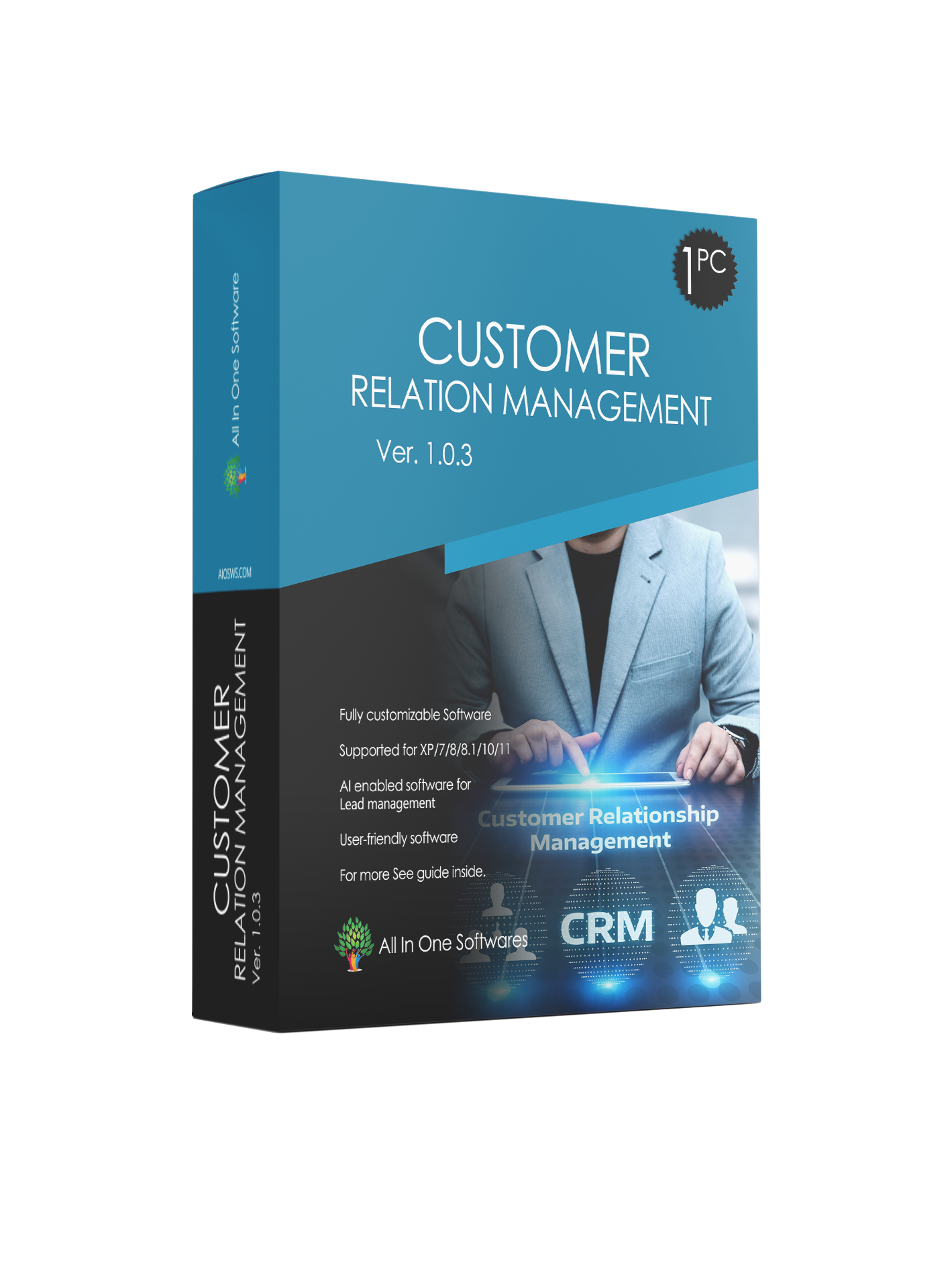
"The goal of CRM is not just to manage customers, but to manage customer relationships profitably, fostering loyalty and driving sustainable revenue growth." – Adapted
Selecting the Best CRM Software for Your Business: A Multi-faceted Approach
Choosing the right CRM software requires a meticulous and strategic approach, encompassing a thorough assessment of your business's unique needs and long-term goals. Several key factors must be carefully considered:
1. Business Size and Complexity: A small startup with a limited number of customers and a simple sales process might benefit from a straightforward, user-friendly, and affordable CRM solution. In contrast, a large enterprise with complex sales cycles, multiple departments, and a geographically dispersed sales team will necessitate a more robust, scalable, and feature-rich platform that can handle high volumes of data and intricate workflows.
2. Specific Business Needs and Priorities: Define your core business objectives and identify the specific functionalities you require from a CRM. Do you prioritize sales automation to streamline the sales process and improve lead conversion rates? Are robust marketing automation features crucial for managing campaigns, nurturing leads, and tracking marketing ROI? Do you need advanced customer service capabilities to effectively manage support tickets, resolve issues promptly, and enhance customer satisfaction? Clearly identifying your priorities will help you narrow down the options and choose a system that aligns perfectly with your strategic goals.
3. Integration Capabilities: Seamless integration with your existing technology stack is crucial for maximizing efficiency and preventing data silos. Ensure the CRM you choose integrates smoothly with your email marketing platform, accounting software, e-commerce platform, marketing automation tools, and any other essential business applications. This ensures a single source of truth for customer data and eliminates the need for manual data entry, reducing errors and improving data accuracy. Consider APIs and pre-built integrations for easier implementation.
4. Customization and Scalability: Assess the level of customization offered by the CRM platform. Will it adapt to your evolving business needs as you grow? Can you tailor workflows, fields, and reporting to match your specific processes? A scalable system is vital for long-term success, allowing your business to adapt and expand without needing to switch platforms.

5. User-Friendliness and Training: Choose a CRM that is intuitive and easy to use for your team. A complex or difficult-to-navigate system can lead to low adoption rates and hinder productivity. Consider the availability of training resources and support to ensure your team can effectively utilize the software's capabilities.
6. Budget and Cost: Evaluate the total cost of ownership, including licensing fees, implementation costs, training expenses, and ongoing maintenance. While a cheaper option may seem attractive upfront, it could prove more expensive in the long run if it lacks crucial features or requires extensive customization. Compare the cost against the potential ROI generated through improved efficiency, increased sales, and enhanced customer satisfaction.
💡 Pro Tip: Request detailed demos and trials from multiple vendors. This hands-on experience allows for a thorough evaluation of each platform's strengths and weaknesses, user interface, and overall fit for your business needs. Engage different team members in the evaluation process to gather diverse perspectives.
Frequently Asked Questions (FAQ)
What are the most common features of CRM software?
Most CRM platforms offer a core set of features designed to manage the entire customer lifecycle:
- Contact Management: Centralized storage and management of customer data (name, contact information, purchase history, interactions, etc.).
- Sales Force Automation (SFA): Automating sales processes like lead management, opportunity tracking, sales forecasting, and reporting.
- Marketing Automation: Automating marketing tasks such as email campaigns, lead nurturing, social media management, and campaign performance tracking.
- Customer Service and Support: Managing customer support interactions, tracking issues, resolving inquiries, and measuring customer satisfaction.
- Reporting and Analytics: Tracking key metrics, generating insightful reports, identifying trends, and making data-driven decisions.
- Workflow Automation: Automating repetitive tasks and streamlining business processes.
- Mobile Accessibility: Accessing customer data and managing interactions from anywhere, anytime.
However, the specific features and their sophistication vary greatly between vendors and pricing tiers. Advanced CRMs may include predictive analytics, AI-powered features (such as lead scoring and chatbot integration), extensive customization options, and integration with third-party applications. Thoroughly assess which features are essential for your business operations and prioritize accordingly.
Conclusion
The selection of effective CRM software is a strategic investment that directly impacts your business's ability to nurture customer relationships, improve operational efficiency, and drive sustainable growth. This guide emphasizes the importance of a detailed needs assessment, thorough evaluation of different platforms, and prioritization of seamless integration with your existing systems. Remember, choosing the right CRM software isn't a one-time decision; regular evaluation, adaptation, and ongoing optimization are key to maximizing its potential and ensuring it remains a valuable asset for years to come. With careful consideration and strategic planning, your CRM software can become an indispensable tool in your quest for business success, driving customer loyalty, increasing revenue, and fostering long-term growth.
0 Response to "Choosing the Right CRM Software: A Comprehensive Guide"
Post a Comment