Choosing the Right CRM for HR: A Comprehensive Guide
The modern HR department navigates a complex landscape of data, encompassing everything from recruitment and onboarding to performance management, employee relations, compensation and benefits administration, learning and development, and even succession planning. Effectively managing this multifaceted information is no longer a mere aspiration; it's a critical imperative for optimizing operational efficiency, enhancing employee experience, fostering a positive work culture, and ultimately driving significant business success. A well-chosen Customer Relationship Management (CRM) system specifically designed for HR functions is proving invaluable in this endeavor. It's transitioned from a luxury to an absolute necessity for any HR department aiming for sustained growth and competitiveness in today's dynamic business environment. This comprehensive guide delves into the critical aspects of selecting and successfully implementing a CRM solution perfectly tailored to the unique and evolving demands of human resources. We'll examine the key considerations, practical steps, and potential challenges, equipping you with the knowledge to make an informed decision and maximize your return on investment.
Key Takeaways
- A CRM for HR can dramatically reduce administrative workload, minimize manual data entry, and substantially improve data accuracy, leading to more reliable HR reporting and decision-making.
- Many sophisticated HR CRMs offer robust analytics and reporting capabilities, far beyond basic spreadsheet functionalities. These provide actionable insights for data-driven decision-making across all HR functions, from strategic workforce planning to targeted employee engagement initiatives.
- Successful CRM implementation is not a simple "plug-and-play" process. It requires careful planning, comprehensive employee training, proactive change management, and ongoing optimization to adapt to evolving business needs and technological advancements. Ignoring these crucial elements often leads to low adoption rates and failure to realize the system's full potential.
Table of Contents
- Selecting the Ideal CRM Software: A Deep Dive
- Implementing a CRM for HR: A Step-by-Step Guide to Success
- Frequently Asked Questions (FAQ)
- Conclusion
Selecting the Ideal CRM Software: A Deep Dive
Choosing the right CRM for your HR department demands a meticulous and strategic approach. It's not simply a matter of selecting the most feature-rich system; rather, it requires a thorough understanding of your current HR processes, identifying areas ripe for improvement, and aligning the CRM's capabilities with your specific organizational needs and long-term goals. Begin by meticulously assessing your existing HR operations. Are you grappling with inefficient onboarding procedures that lead to delays and frustration for new hires? Do you lack a centralized system for tracking employee performance, making it challenging to identify top performers and address underperformance effectively? Are your recruitment processes cumbersome and time-consuming? Do you struggle to maintain accurate and up-to-date employee records? Do you find reporting on key HR metrics difficult and time-consuming? Understanding these pain points is the critical first step towards selecting a solution that directly addresses your most pressing challenges.
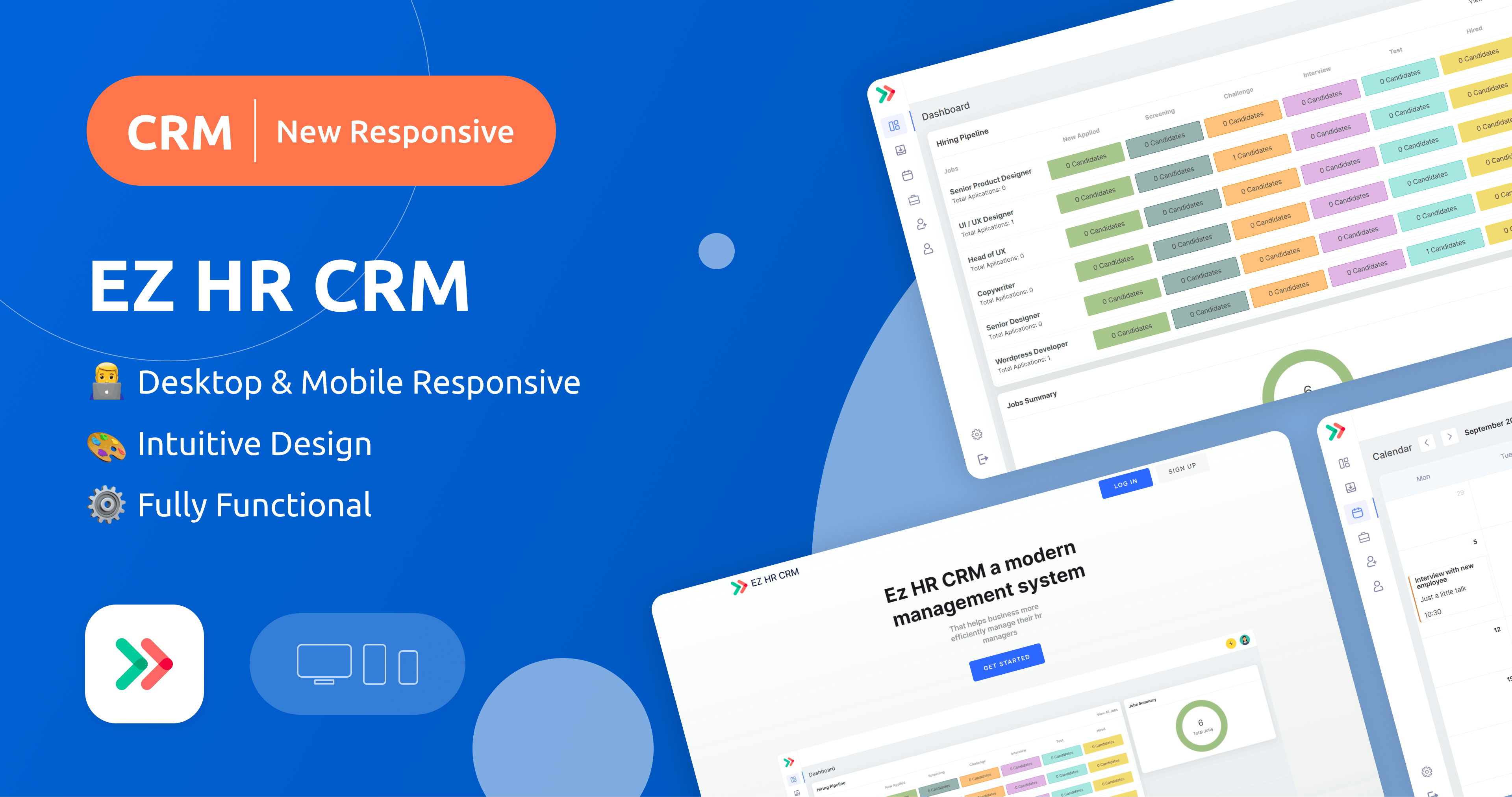
Consider the size and complexity of your organization. A small business with a lean HR team will have vastly different requirements than a large multinational corporation with dispersed operations and complex HR structures. Factor in the number of employees, the diversity of your workforce, and the geographical distribution of your teams. This will influence your choice of deployment model (cloud-based vs. on-premise) and the scalability of the CRM solution.
Furthermore, evaluate the level of integration needed with your existing HR systems. Seamless integration with payroll, benefits administration, talent management platforms, and other critical systems is paramount to avoid data silos and ensure consistent, accurate information across all HR functions. A fragmented system will ultimately hinder efficiency and impede data-driven decision-making. A CRM should streamline workflows, automate repetitive tasks, and facilitate the exchange of information across different systems, creating a cohesive and efficient HR ecosystem.
"The right CRM isn't just about storing data; it's about transforming data into actionable insights that drive strategic HR decisions, improve employee engagement, and contribute to the overall success of the organization."
Implementing a CRM for HR: A Step-by-Step Guide to Success
Implementing a CRM for HR is not merely a technological upgrade; it’s a strategic initiative demanding careful planning, effective communication, and dedicated resources. Think of it as a comprehensive project with distinct phases, each requiring meticulous attention to detail. Begin by clearly defining your objectives. What specific problems are you hoping to solve? What key performance indicators (KPIs) will you track to measure the success of the implementation? Establish measurable goals, such as reducing onboarding time by 25%, improving employee satisfaction scores by 15%, or enhancing the efficiency of performance review processes by 20%. These quantifiable goals will provide a benchmark for evaluating the effectiveness of your CRM investment.
Next, embark on a thorough evaluation of different CRM vendors and their offerings. Request detailed demos, compare features and functionalities, and carefully scrutinize pricing models, scalability options, and the level of customer support provided. Consider factors such as user-friendliness, customization options, mobile accessibility, and security features. Request references from existing clients to gather firsthand feedback on their experiences with the vendor and the CRM system itself.
Once you've selected a vendor, develop a comprehensive implementation plan that encompasses every stage of the process. This plan should include a detailed timeline, allocated resources, and clearly defined roles and responsibilities. Address data migration strategies, ensuring the seamless transfer of existing employee data into the new system while maintaining data integrity. Develop a robust user training program, encompassing both initial training and ongoing support, to ensure employees are comfortable using the new system and can fully leverage its capabilities.
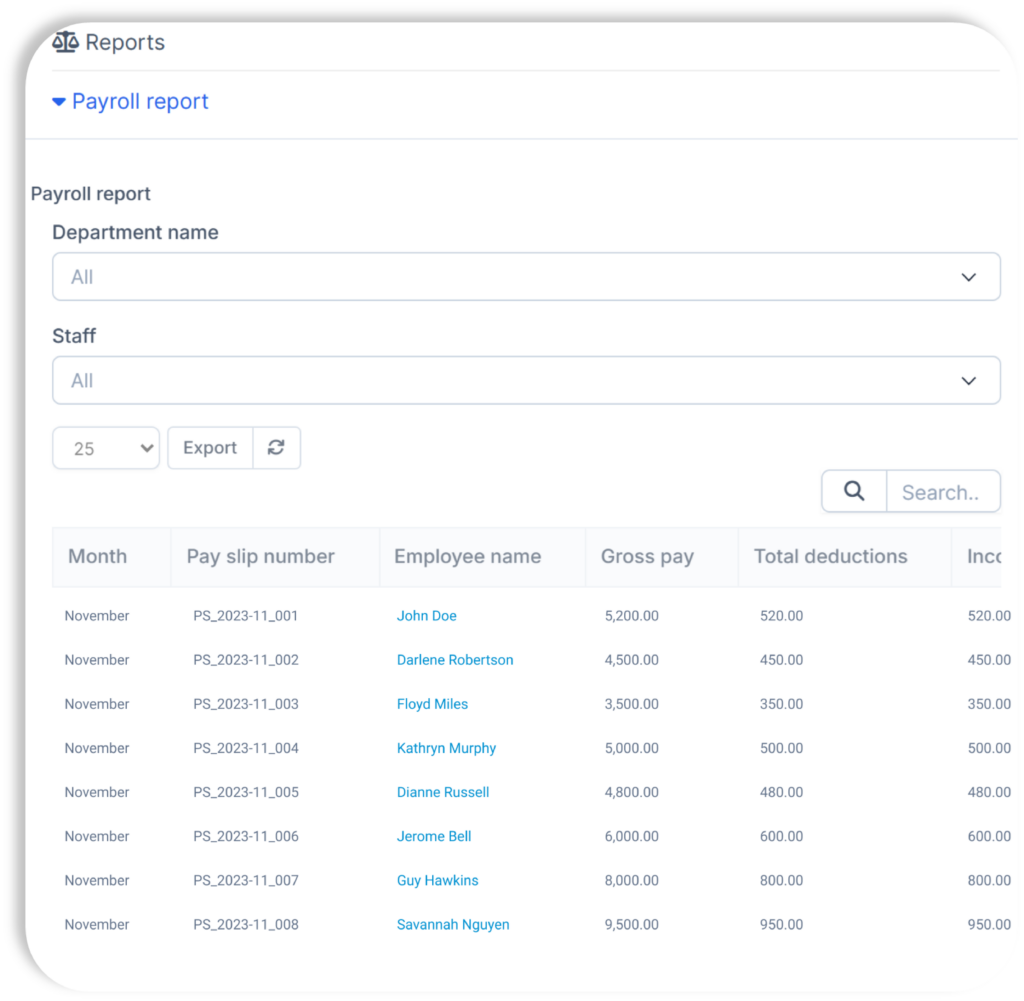
Effective change management is paramount. Engage your employees throughout the process, fostering a culture of collaboration and addressing any concerns or resistance proactively. Communicate the benefits of the new system clearly and transparently, and actively solicit feedback to refine the implementation process and optimize user adoption.
Finally, implement a system for regularly assessing the effectiveness of your CRM and make necessary adjustments to maximize its potential. This includes tracking key performance indicators (KPIs), gathering user feedback, and adapting the system to evolving business needs. Continuous monitoring and optimization are crucial for ensuring the long-term success of your CRM implementation.
💡 Pro Tip: Begin with a pilot program in a small department or with a specific HR function before a full-scale rollout. This allows you to refine your processes, address any unforeseen challenges, and gather valuable feedback before deploying the CRM across the entire organization. This phased approach minimizes disruption and maximizes the chances of a successful and efficient implementation.
Frequently Asked Questions (FAQ)
What are the key benefits of using a CRM for HR?
A dedicated HR CRM offers a wide range of benefits that extend far beyond simple data storage. Key advantages include: centralized employee data management, streamlining HR processes (reducing manual tasks and associated errors), automation of repetitive tasks (freeing up HR staff for more strategic initiatives), improved communication and collaboration among HR teams and employees, enhanced reporting and analytics capabilities (providing data-driven insights into workforce trends and performance), improved compliance with relevant regulations, and ultimately, a more strategic and data-informed approach to HR management. These improvements lead to increased efficiency, enhanced employee engagement, and a more proactive and effective approach to talent management. This translates into a more productive, engaged, and satisfied workforce, which directly contributes to the overall success of the organization.
Conclusion
Selecting and implementing the right CRM for HR is a strategic investment with significant long-term implications. By meticulously evaluating your needs, choosing the appropriate software, and diligently following a well-defined implementation plan, your organization can unlock the transformative power of a CRM to revolutionize its HR operations. Remember, the right CRM for HR isn't just a database; it's a powerful tool for building a stronger, more engaged, and more productive workforce – a key ingredient for a thriving and successful organization. The investment in a robust and well-integrated HR CRM is an investment in the future of your organization and its most valuable asset: its people.
0 Response to "Choosing the Right CRM for HR: A Comprehensive Guide"
Post a Comment